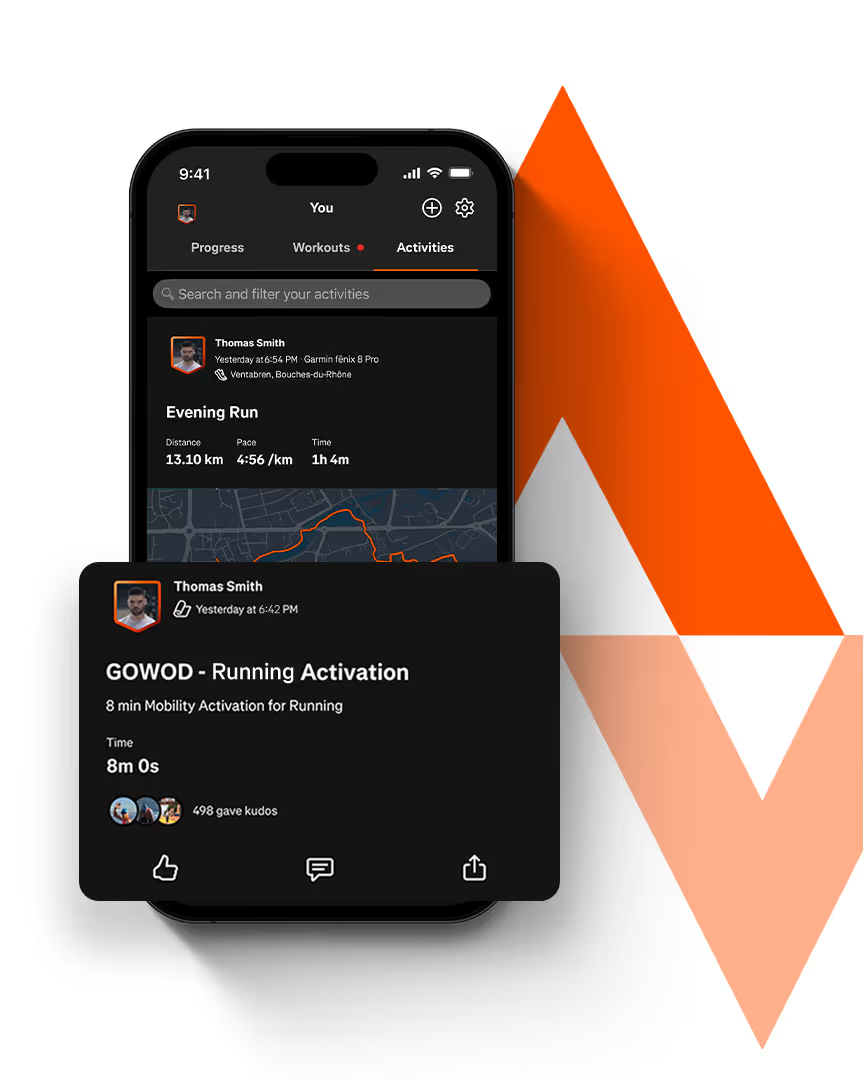
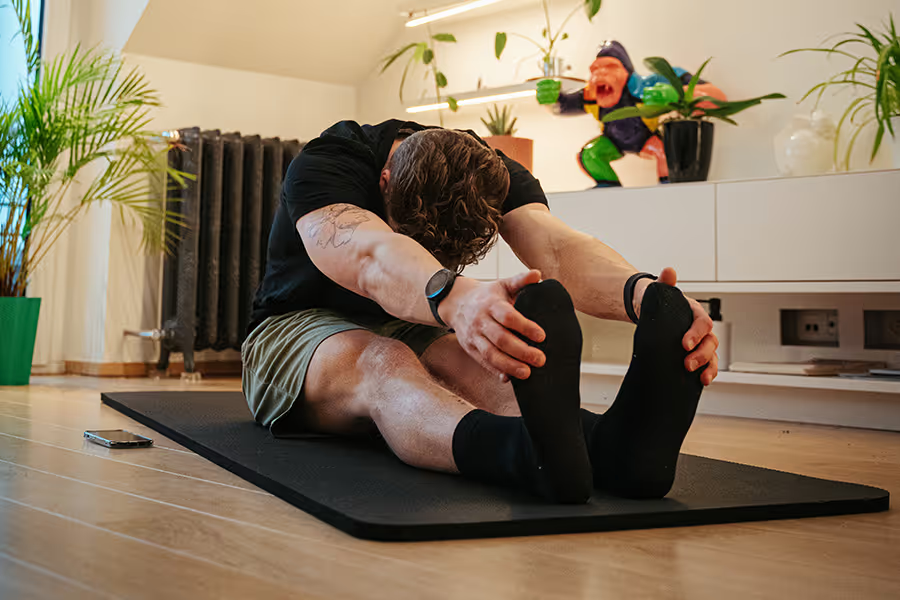
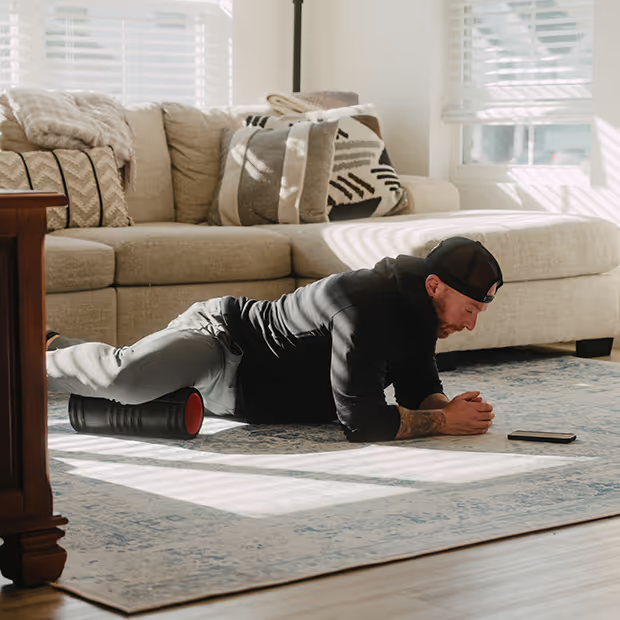
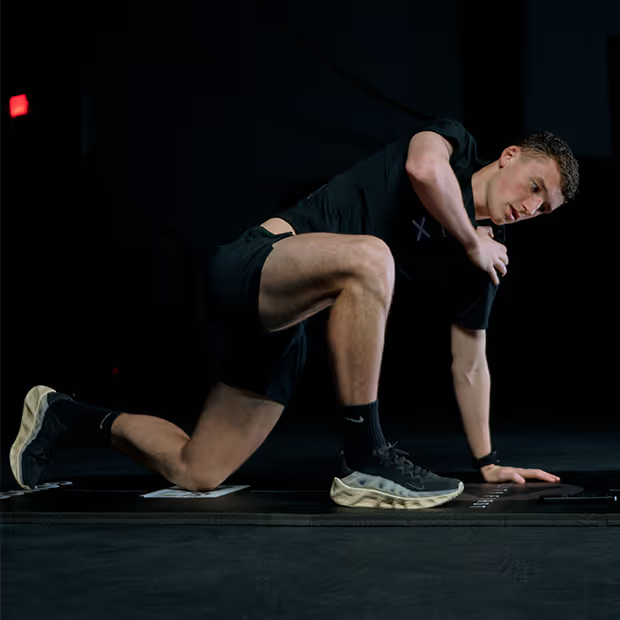
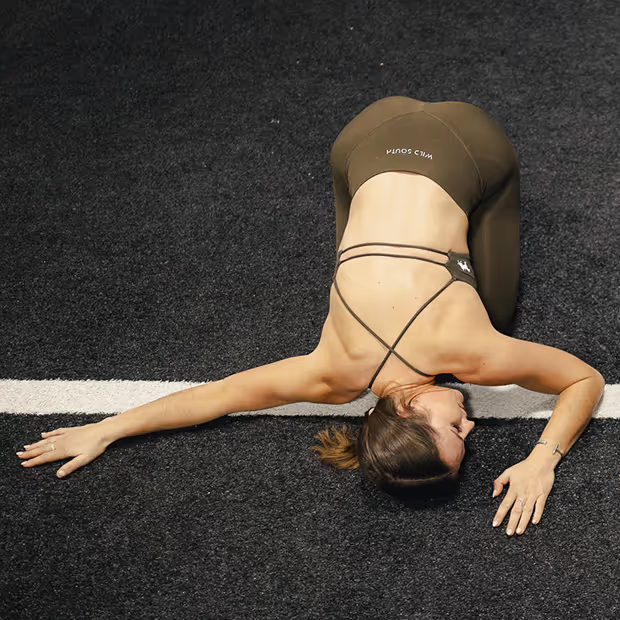
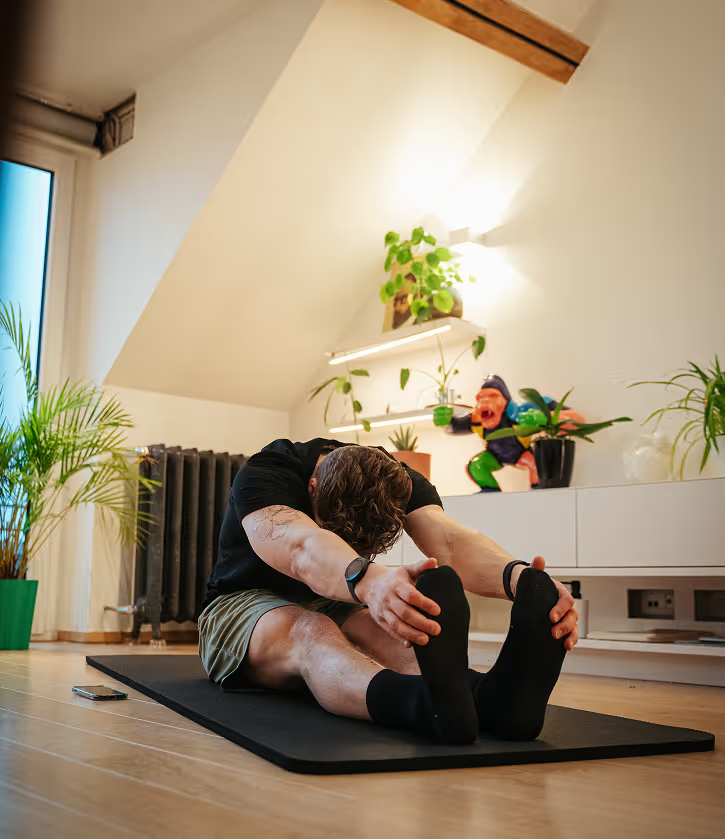
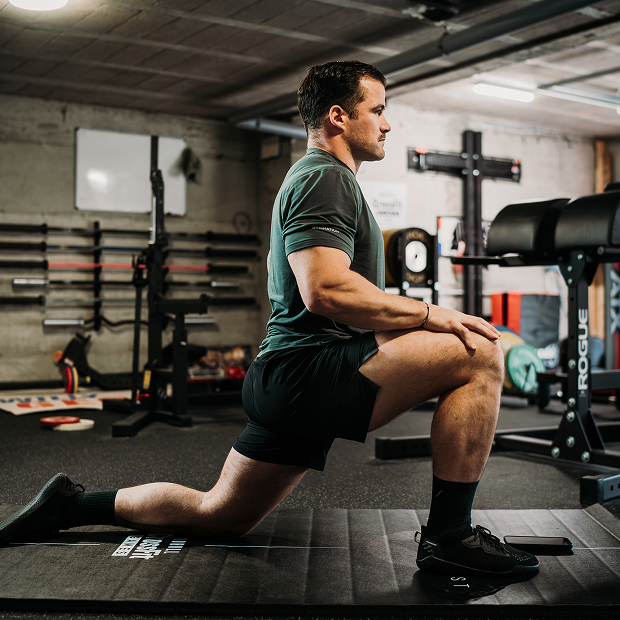
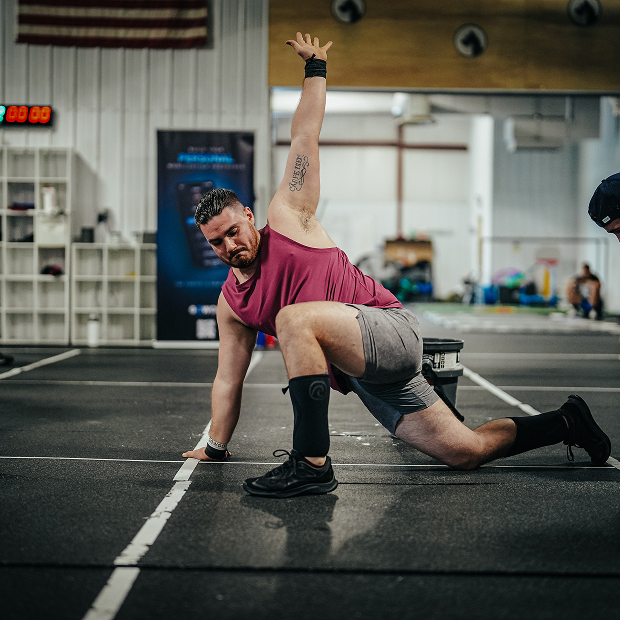
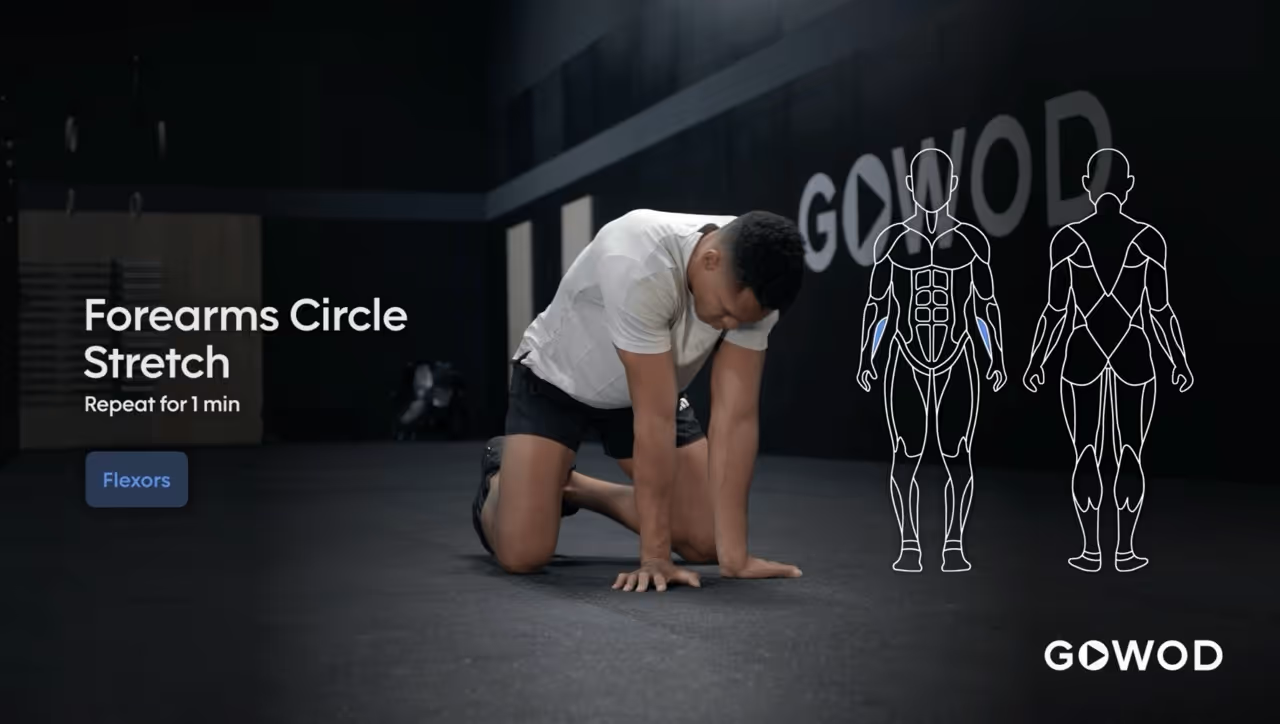
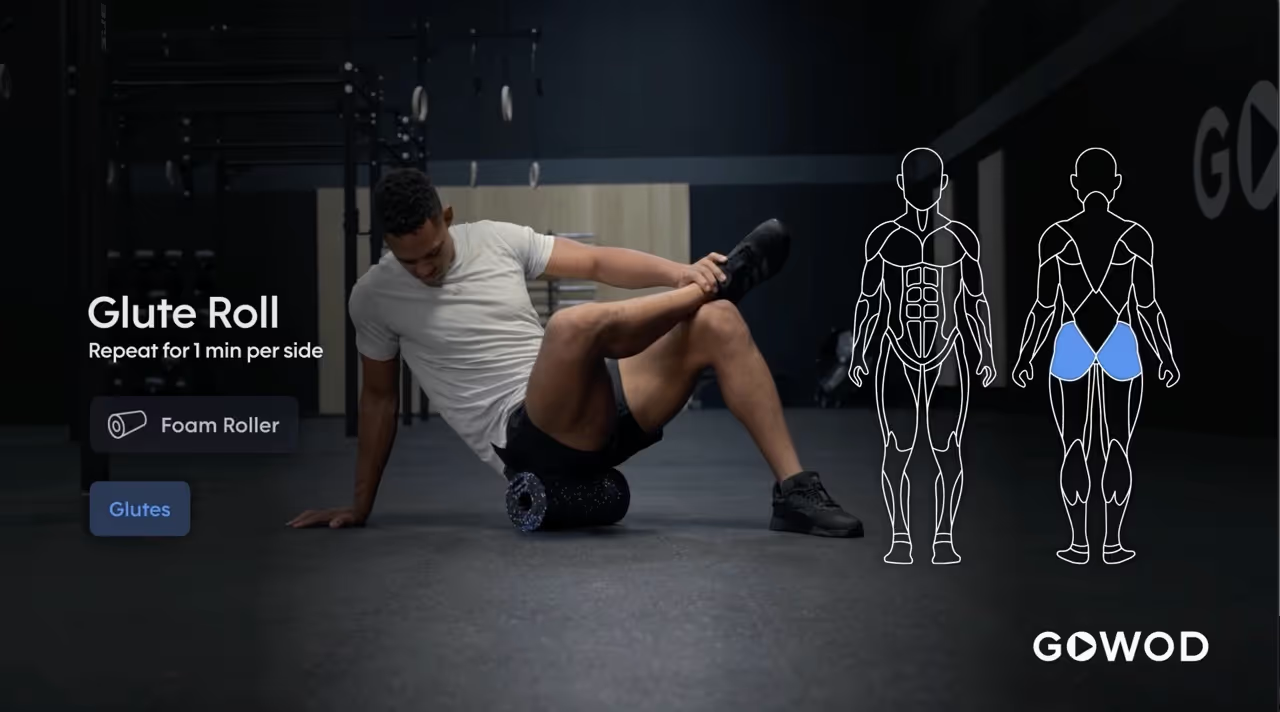
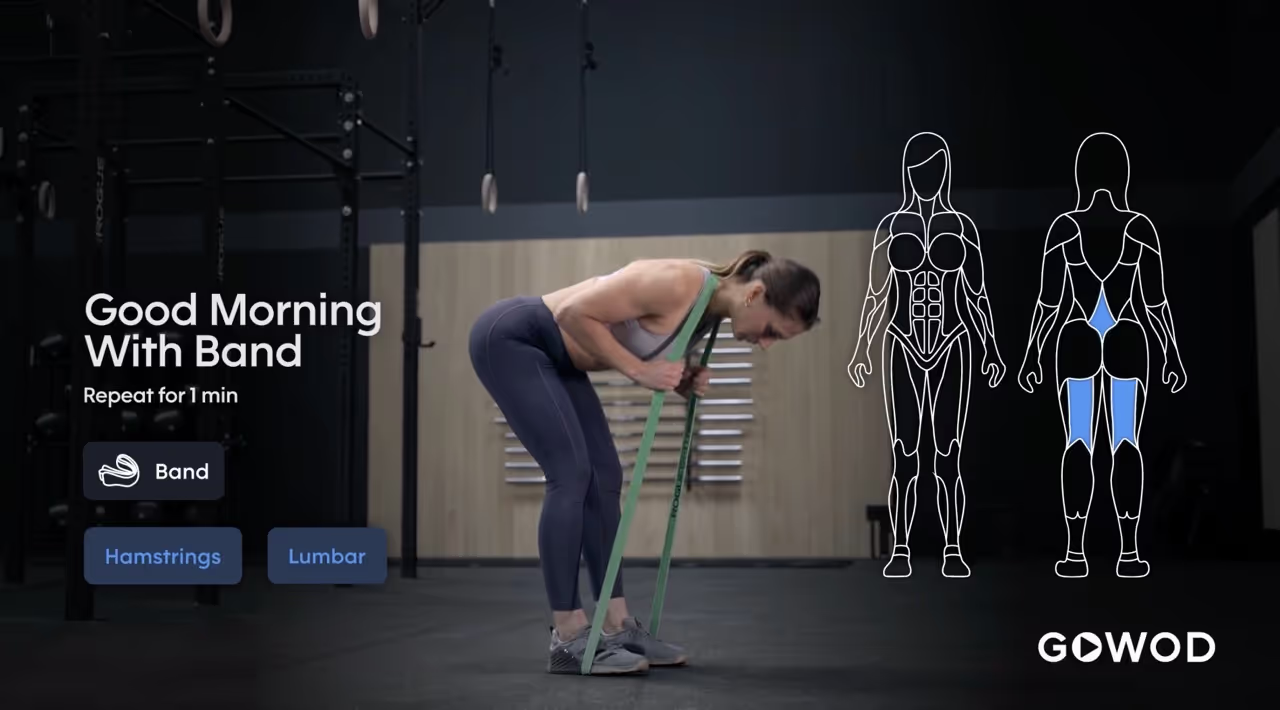
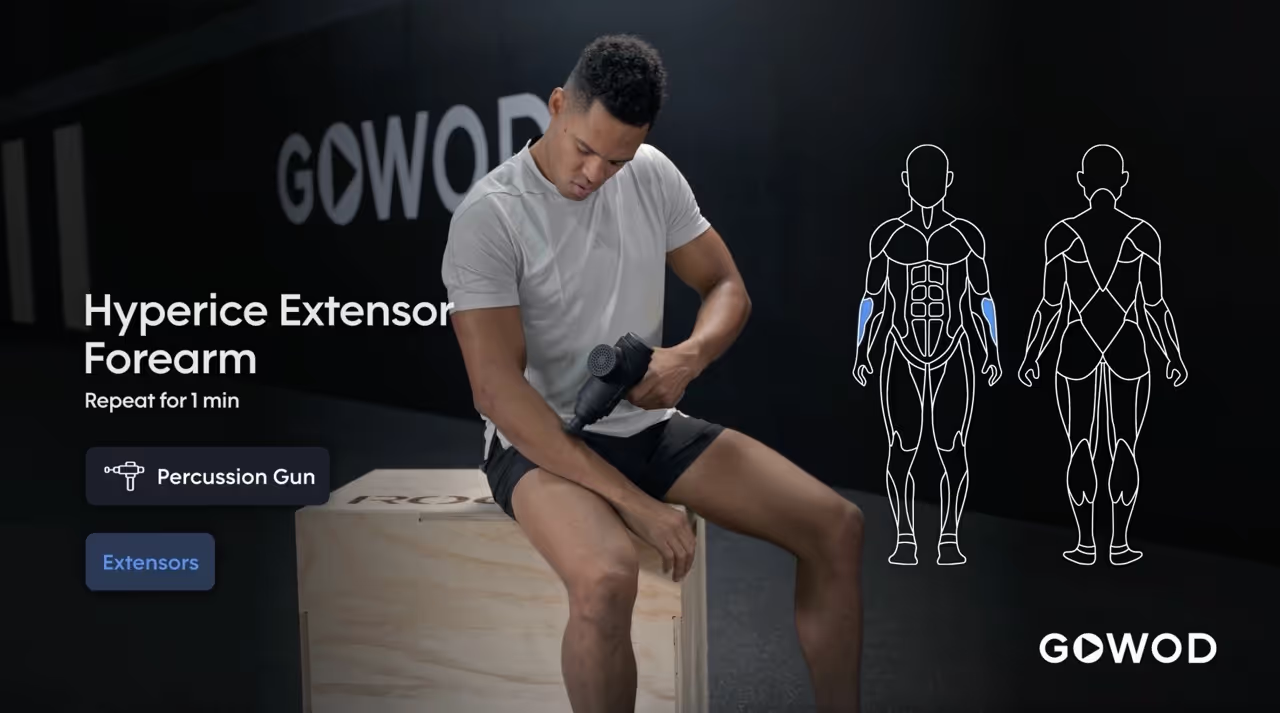
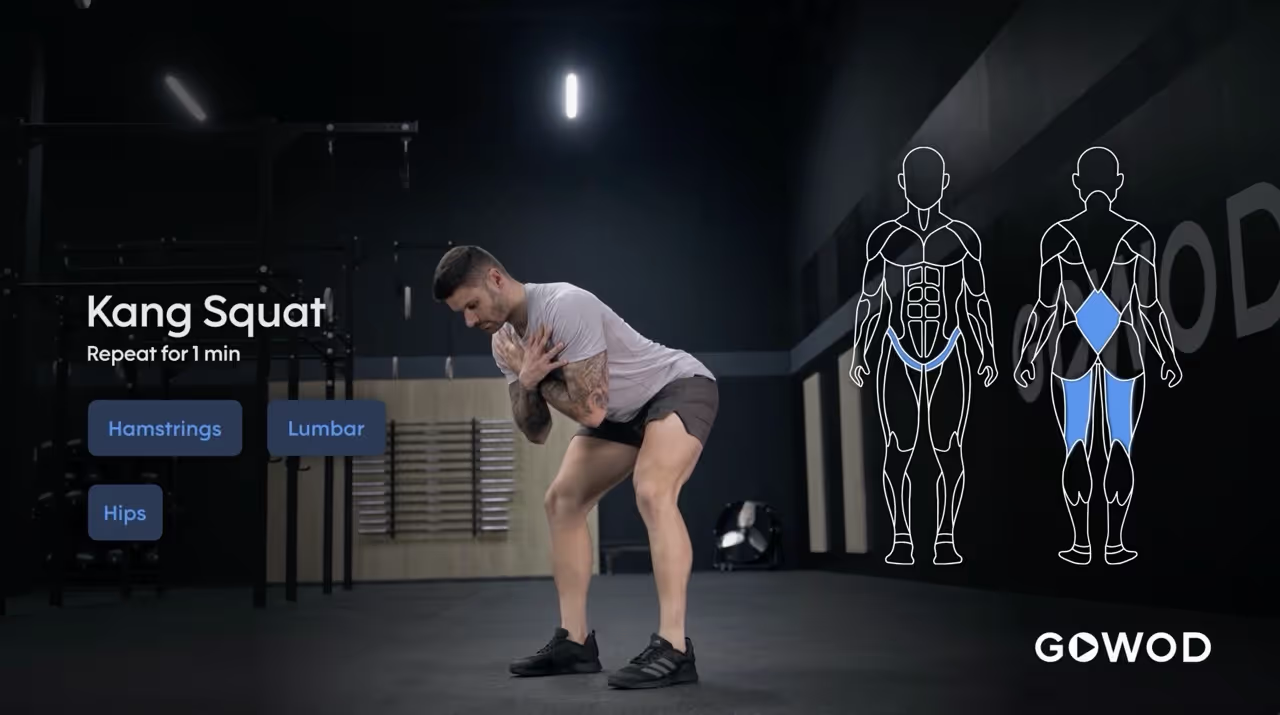
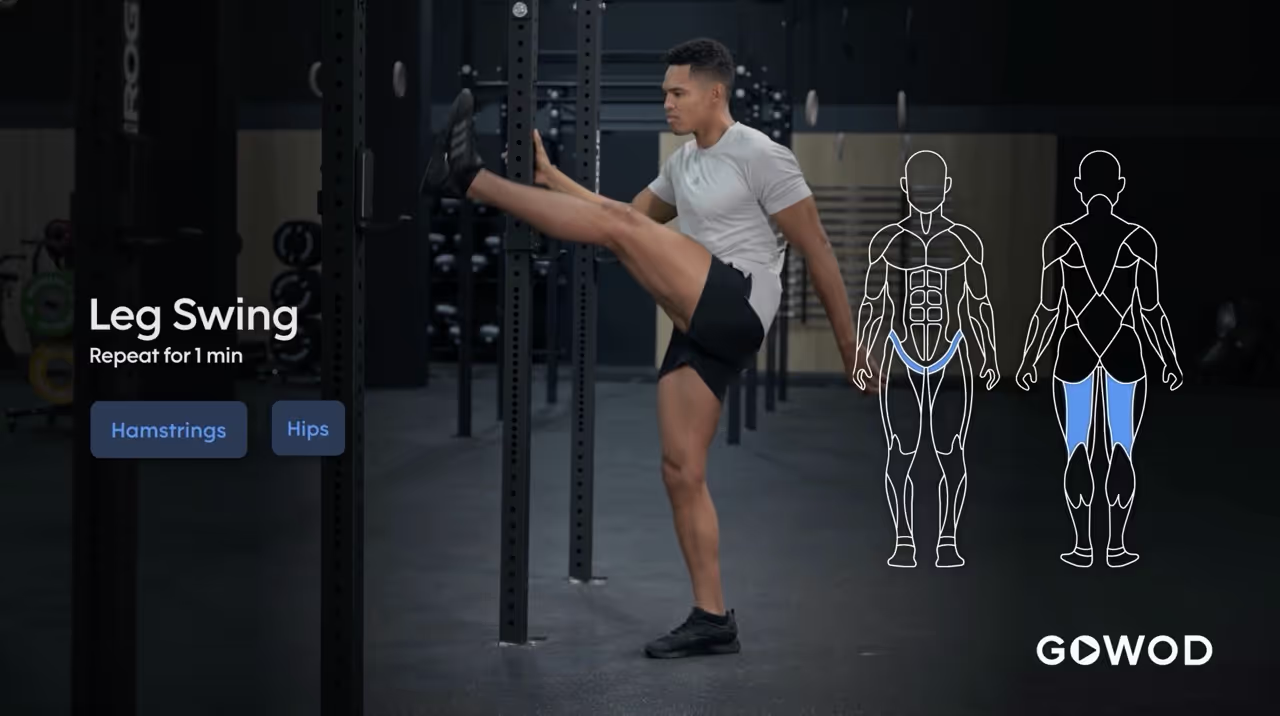
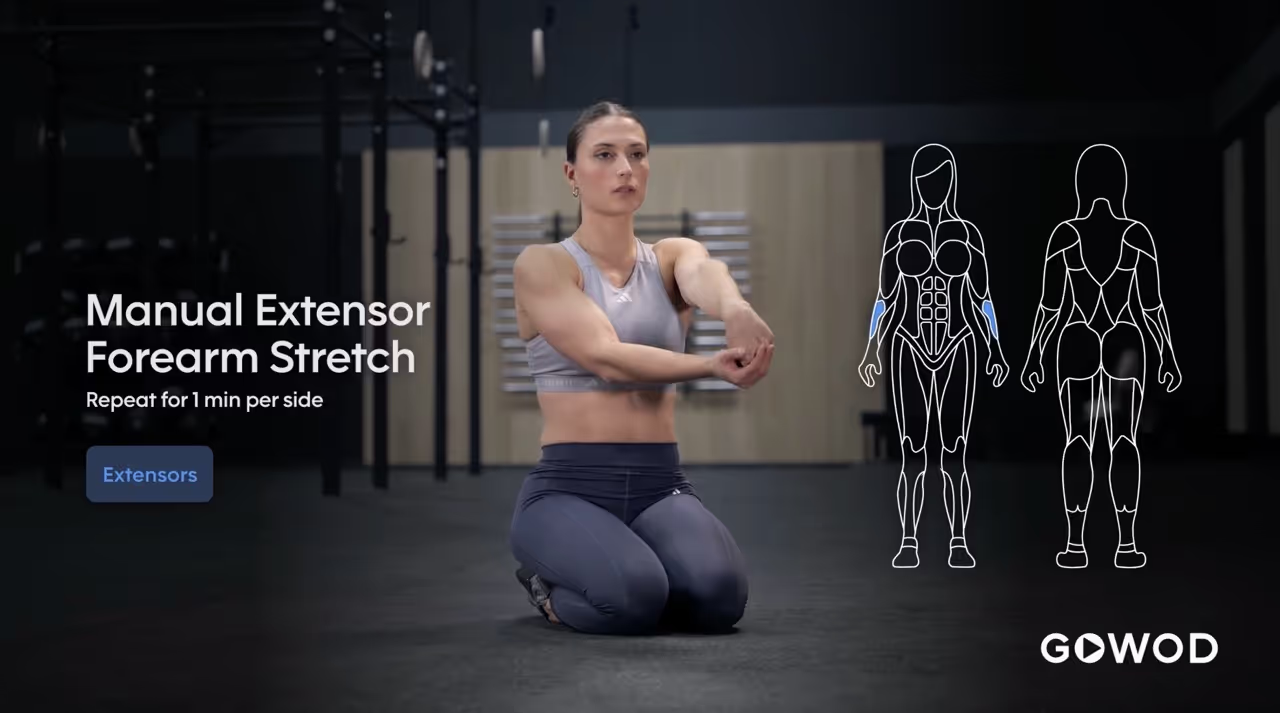
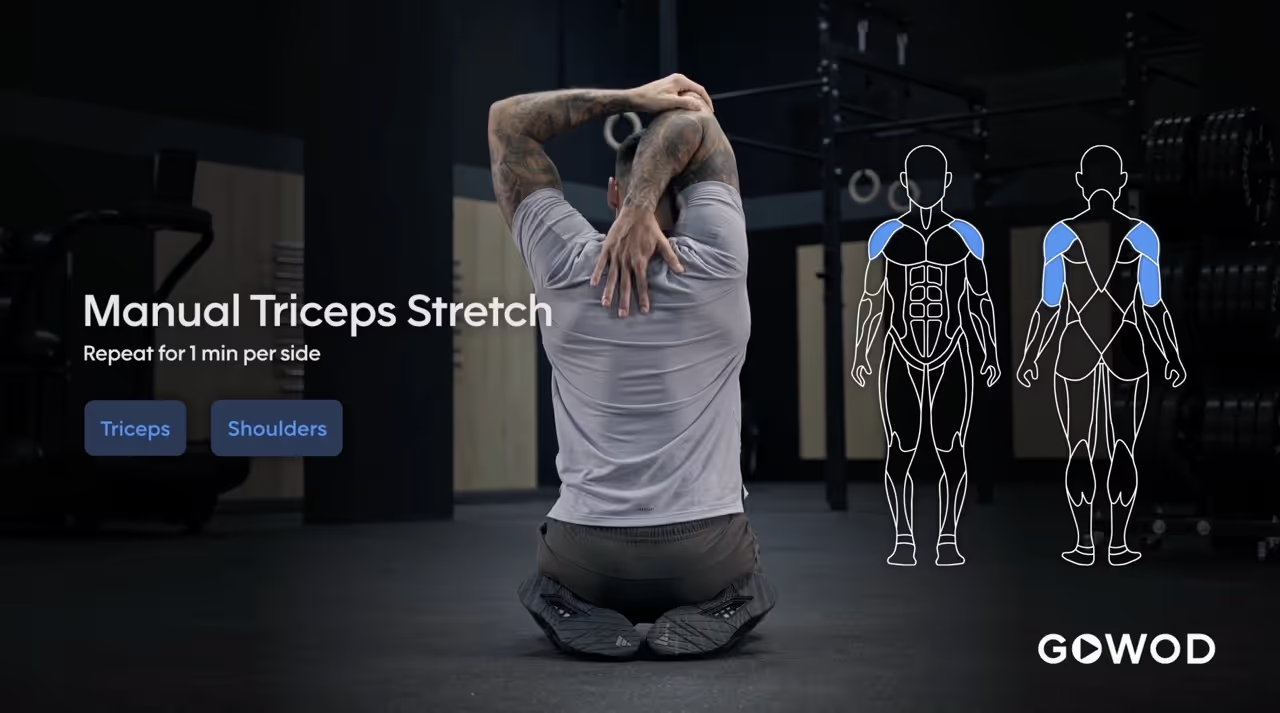
Access a selection of mobility exercises from our library of 300+ movement videos, with step-by-step instructions and on-screen demonstrations for each exercise. Unlock the full mobility library for free by downloading the GOWOD app.
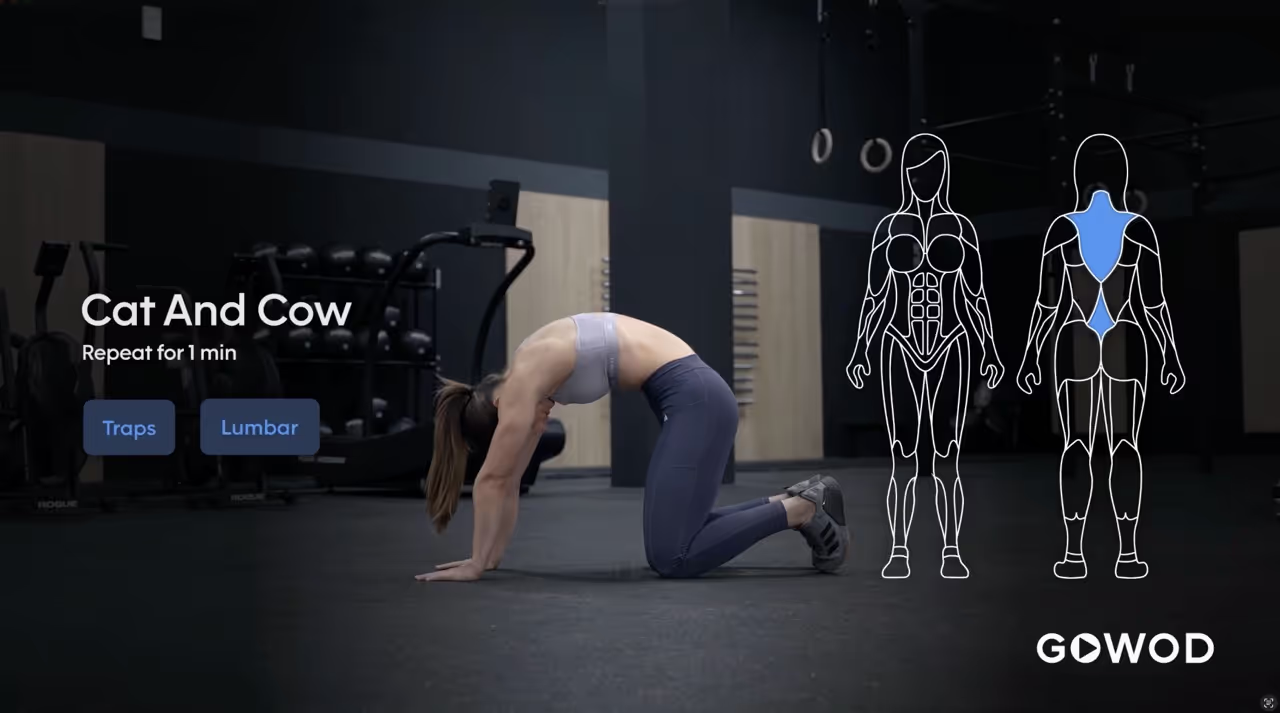

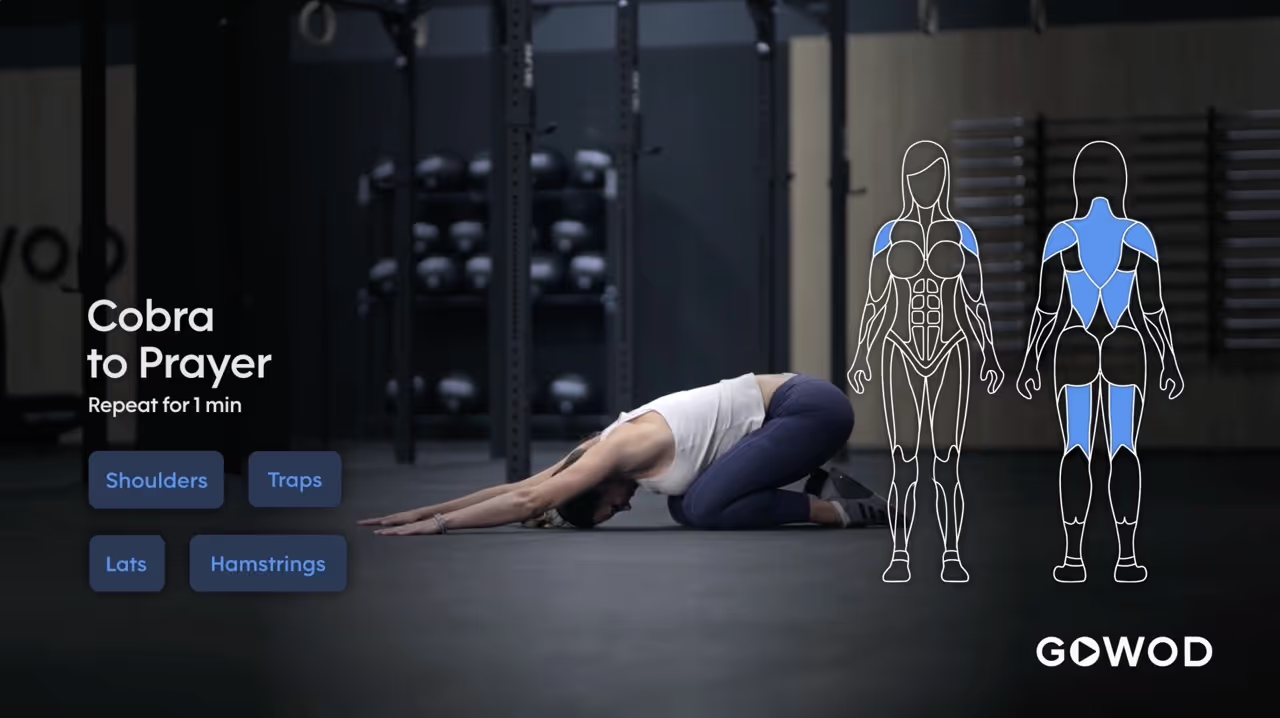
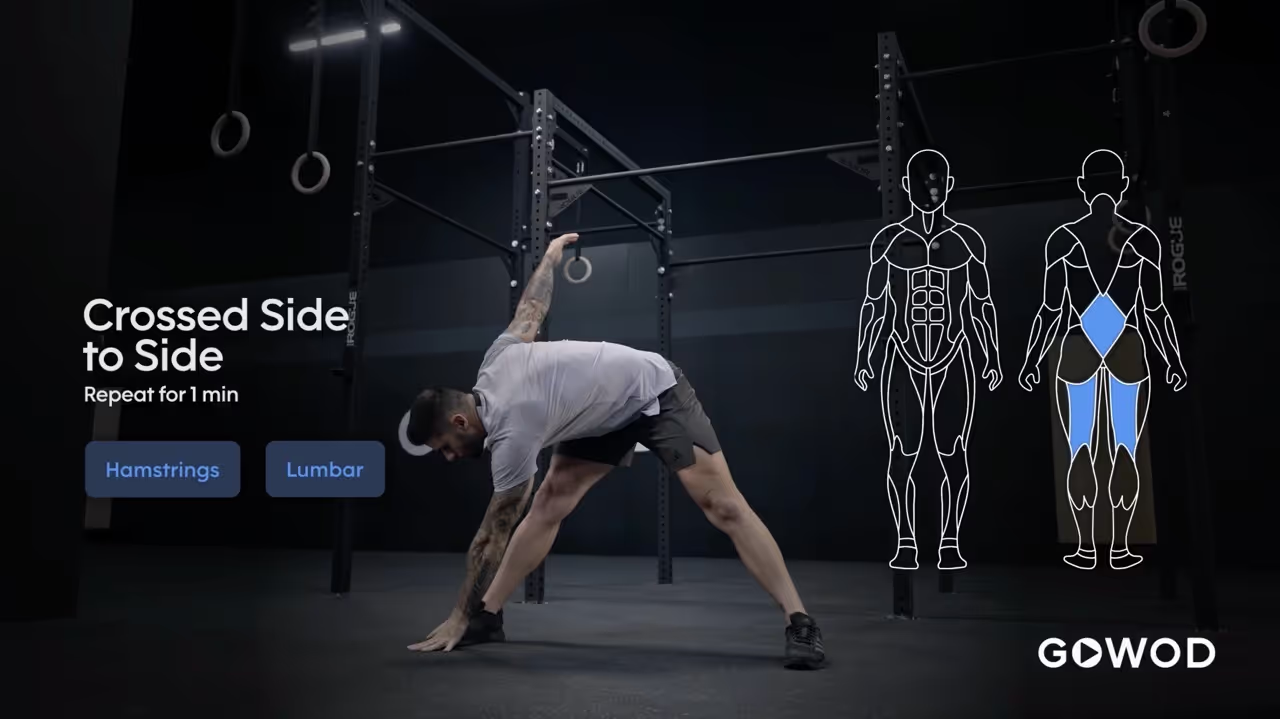


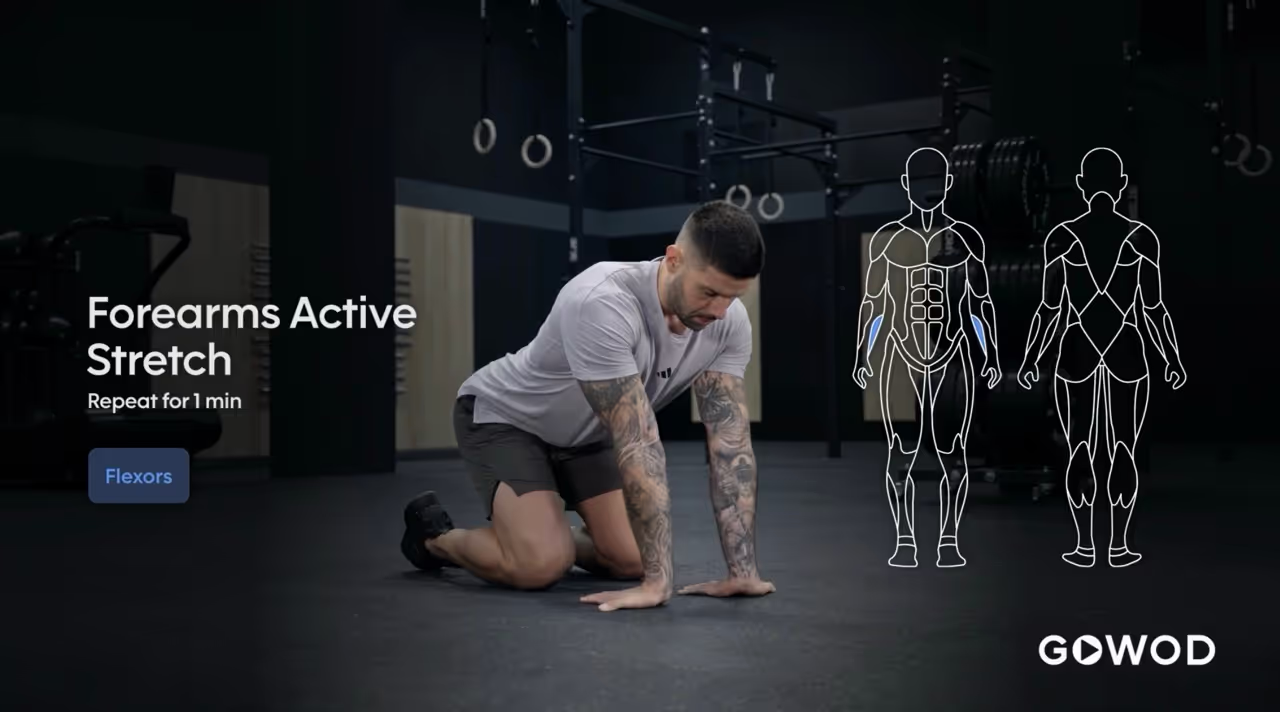


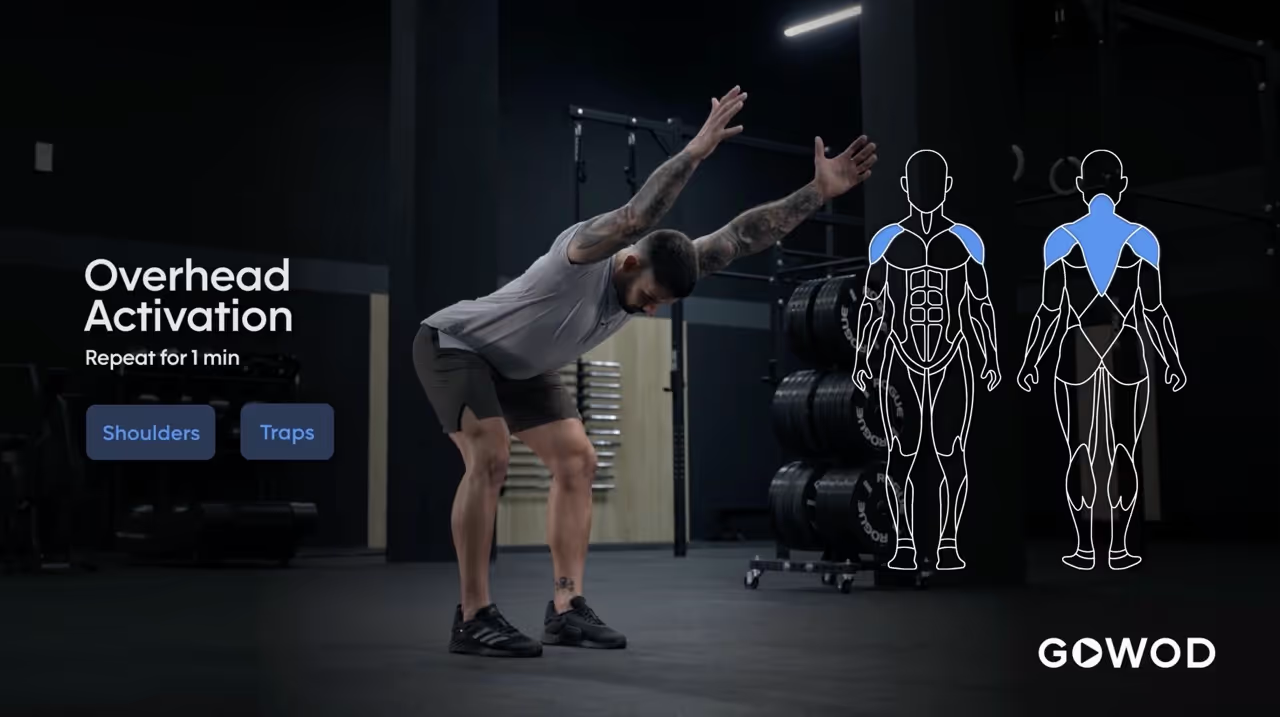
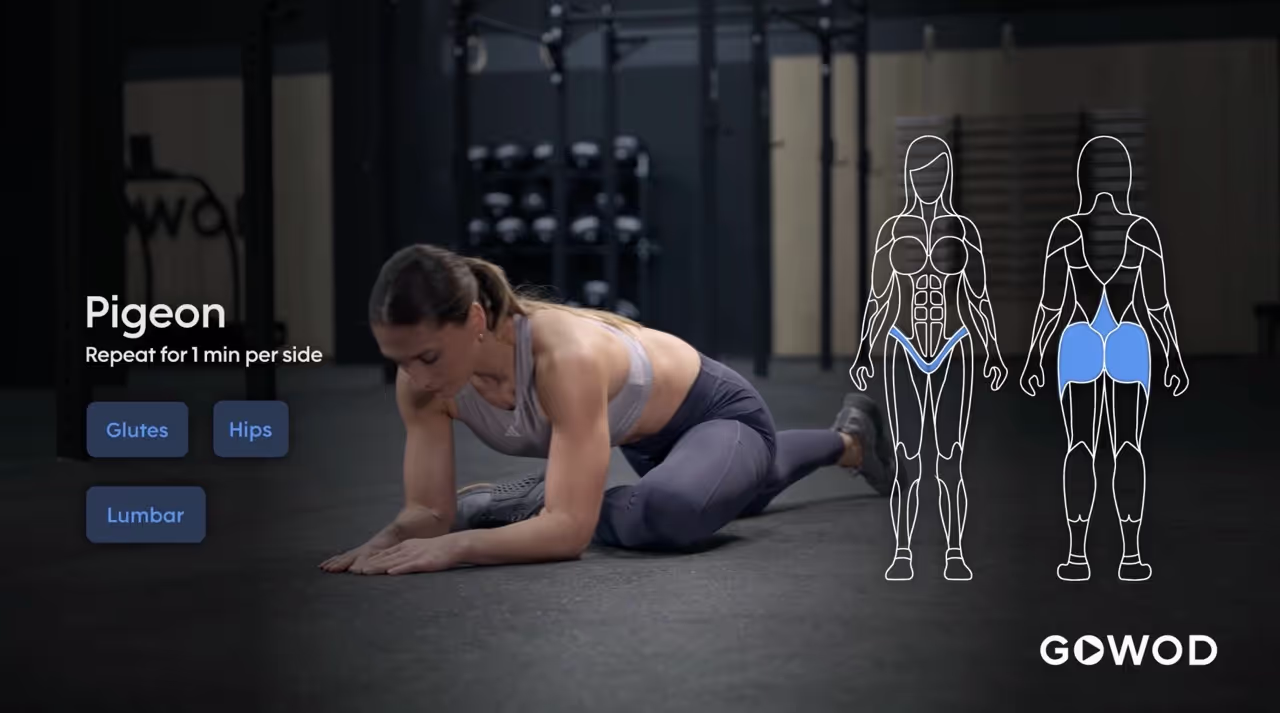
Mobility and flexibility are often used interchangeably, but they describe different physical qualities.
Flexibility refers to the passive capacity of soft tissues (muscle, fascia, tendons, joint capsules) which allow a joint to reach a given range of motion when an external force is applied. It requires no active muscular effort from the individual.
Mobility combines that passive range with active neuromuscular control: your ability to move through a range of motion with strength and coordination, not just be moved into it.
You can have good flexibility without meaningful mobility. A hip that can be pushed into deep flexion passively but collapses under load during a squat is a clear example: the tissue length is there, the active control is not.
The key distinctions:
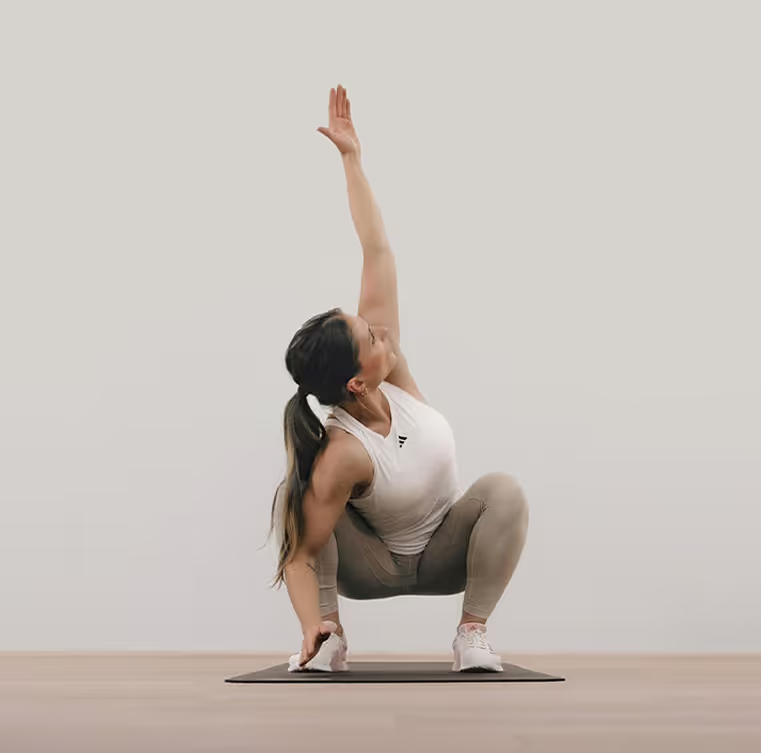
Static stretching, meaning holding a lengthened position for an extended period, is one tool for working on soft tissue extensibility. It has a place in a well-rounded training program. But it addresses only one part of what determines movement quality.
Mobility training is broader and more specific in its intent. Dynamic drills, active end-range loading, and controlled articular rotations train your joints and neuromuscular system to produce movement through a full range, not just tolerate being placed there.
It is worth noting that not all stretching is passive. PNF stretching, dynamic stretching, and active isolated stretching all involve significant neuromuscular engagement. The distinction that matters is whether a training modality develops active control at end range, not simply whether it involves movement.
The key distinctions:

Mobility exercises are the specific movements and drills you use to actively train your joints and neuromuscular system to move better through a fuller range of motion, with greater control, under load.
Without structured attention to mobility, most people's movement capacity declines over time through sustained postures, repetitive patterns, or sport-specific asymmetries. Targeted mobility work addresses the specific restrictions and control deficits that accumulate, restoring what has been lost and building capacity that transfers to whatever you do physically.

The most important variable in mobility training is consistency. A short daily session will produce better results over time than an occasional long one, because mobility is a physical quality that responds to repeated stimulus, not to infrequent high-volume effort.
That said, doing random exercises based on what feels tight is a common and limiting approach. The joints and movement patterns that feel restricted are not always where the meaningful deficits are. Effective mobility training starts with understanding what your body actually needs, which requires a structured assessment, not guesswork.
GOWOD is built around this principle. Rather than selecting exercises by feel, the app tests your mobility across your whole body, takes into account the sports you train for, and builds personalized daily routines targeted at your specific movement deficits.
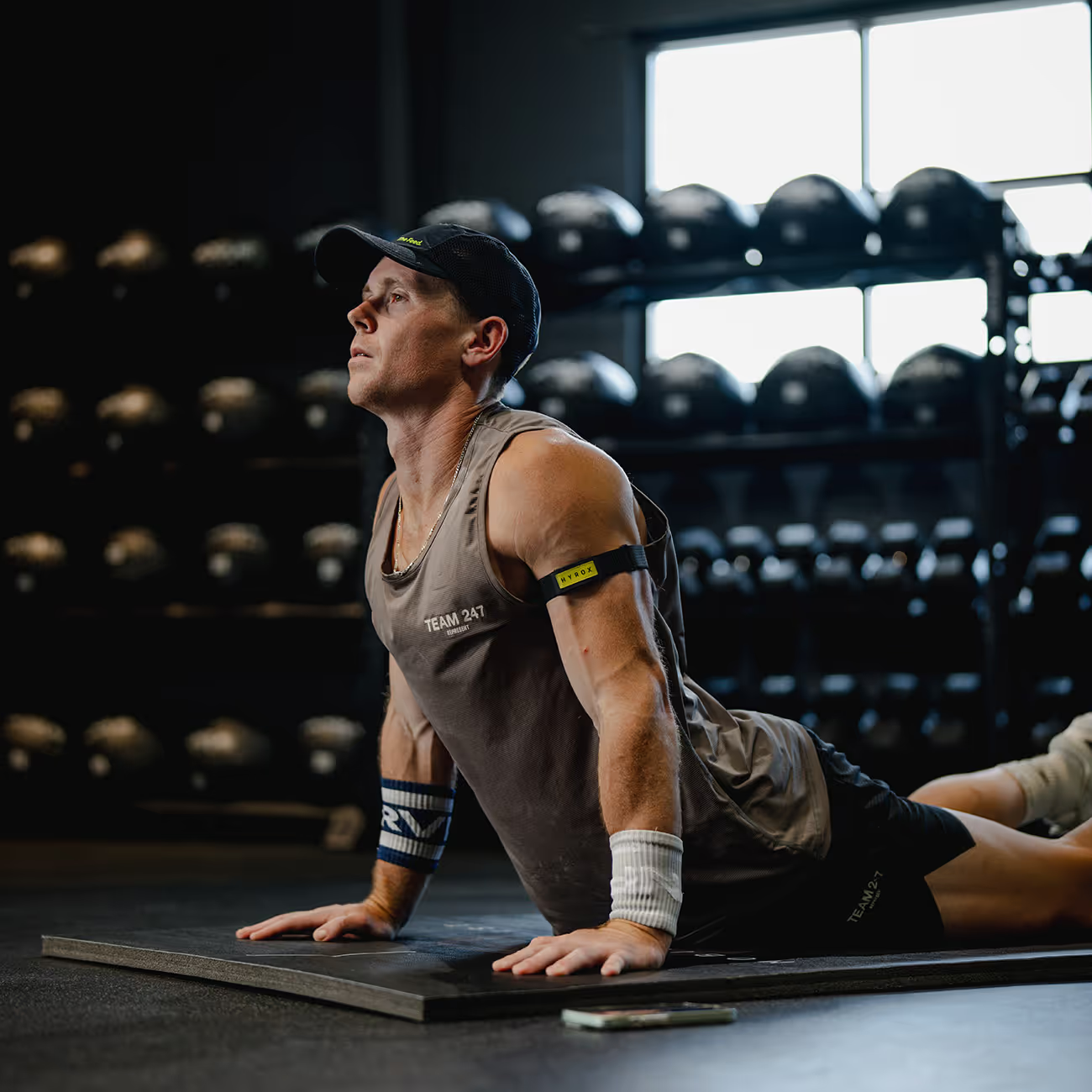
Personalized daily routines are the most effective way to improve your mobility over time. But sometimes you need a targeted approach for a specific situation. These guided flows give you quick access to routines built around the moments that matter most.
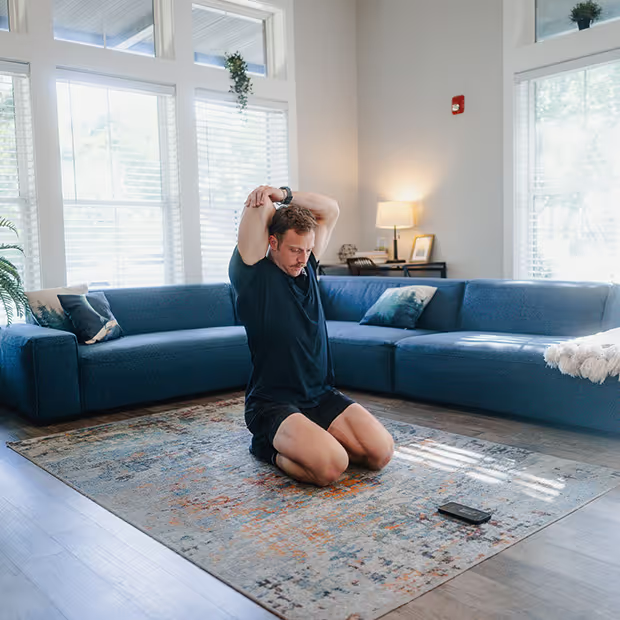
Spending long hours at a desk can lead to stiffness, reduced mobility, and poor posture over time. Areas such as the hips, spine, and shoulders are often the most affected. This routine targets those key restrictions with simple, effective exercises designed to restore movement, reduce tension, and help you move more efficiently throughout the day.

Long periods of travel can leave your body feeling stiff, restricted, and uncomfortable. Sitting for extended hours with limited movement can affect how your joints function and how efficiently you move once you arrive. This routine is designed to restore mobility, reduce tension, and help your body recover faster by targeting key areas such as the hips, spine, and shoulders.
The changes you feel after a single mobility session are real, but they are primarily neurological rather than structural. Your tissues have not lengthened or remodelled in any meaningful way. What has changed is your nervous system's response to the movement.
Two mechanisms are responsible for most of what you experience. The first is an increase in stretch tolerance. Your nervous system's threshold for perceiving a stretched position as threatening is temporarily raised, allowing you to move a little further into range without triggering the protective tension response that limits movement. The second is motor pattern rehearsal, moving through a range of motion with active control begins to groove the neuromuscular pattern for that movement, even before any structural adaptation has occurred.
This is why you often feel noticeably looser or more open after a single mobility session, but that feeling does not fully persist into the next day. The neurological changes are transient. You have not yet built the structural foundation that makes them durable.
What you have done, however, is begun the signalling process. Consistent stimulus is what converts those transient neurological changes into lasting adaptation, which is why the frequency of your mobility exercise practice matters more than the length of any individual session.
With consistent, targeted mobility exercise practice over several weeks, the adaptations shift from primarily neurological to increasingly structural.
Connective tissue (tendons, fascial layers, joint capsule) gradually remodels in response to the repeated mechanical loading that mobility exercises apply at end range. This process is slow relative to the neurological changes you feel early on, but it is what produces durable increases in range of motion that hold under load and at speed, not just when you are warm and relaxed.
Alongside this, motor learning consolidates. The neuromuscular patterns rehearsed in early sessions become increasingly automatic as your body learns to produce and control movement through the new range without the same degree of conscious effort. This is the difference between a range of motion you can access carefully in a controlled setting and one you can use freely during training or sport.
The timeline varies depending on your starting point, the consistency of your practice, and whether your mobility exercises are targeted at your actual movement deficits rather than a generic selection. Most people notice meaningful and durable changes within 30 to 60 days of consistent daily work. The structural adaptations underlying those changes continue to accumulate beyond that point, which is why mobility training produces compounding returns over time rather than plateauing quickly.
Understanding this distinction changes how you should interpret your early sessions. Feeling loose after a mobility session is not the goal in itself. It is a sign that the neurological response is working. The goal is to accumulate enough consistent sessions that those neurological changes are backed by structural adaptation that makes them permanent.
This is also why GOWOD is built around daily routines rather than occasional longer sessions. A short daily mobility exercise practice applies repeated stimulus across a consistent timeframe, which is precisely the pattern that drives structural adaptation. An occasional longer session produces stronger transient effects but does not provide the frequency of stimulus the connective tissue remodelling process requires.
The most effective mobility training is not built on targeting areas that feel tight, or following exercises you enjoy. It is built on identifying what your body actually needs, which joints lack active range of motion, which movement patterns are restricted, and how those deficits relate to what you do physically.
The best starting point is a structured mobility assessment that maps your specific weaknesses across your whole body and connects them to your training demands. This is exactly how GOWOD works. The app tests your mobility, factors in your sports and training, and generates personalized daily routines targeted at your specific gaps, not a generic plan.
If you prefer to browse and build your own sessions, GOWOD's exercise library gives you access to a sample of exercises online, with 300+ movement videos available in the app. Each exercise includes step-by-step instructions and on-screen demonstrations.

For most people, daily mobility training is the goal. Mobility responds to consistent stimulus. The more regularly you work on it, the more effectively and sustainably it develops.
This does not mean every session needs to be long. Even 8 to 10 minutes a day, done consistently, will produce meaningful results over time. Sporadic longer sessions are generally less effective than short daily ones for building lasting change.
Session length matters less than consistency and quality of attention. GOWOD's daily routines are available in three lengths (8, 15, and 22 minutes) so you can fit meaningful work into any day.
As a general working guide, spending approximately one minute on each exercise gives enough time to work through the range with control. This is a practical guideline, not a universal physiological threshold. Optimal duration varies depending on the type of exercise, the joint being trained, and your training history.
Sessions should feel challenging but not painful. Sharp pain, joint pain, or neurological symptoms (pins and needles, shooting sensations) are signals to stop and seek professional advice. Working through tightness is normal; working through pain is not. Always seek medical advice if you have any concerns.

The most effective approach is to let GOWOD build your routine based on your assessment data. Take the mobility test, enter the sports you train for, and the app will identify your specific deficits and generate targeted daily routines designed around them.
Access over 300 mobility exercises with video demonstrations and detailed instructions.
Filter by body area or movement type, save your favorite exercises, and create your own personalized protocols in seconds. Build routines tailored to your body, your goals, and your current priorities.
Research supports mobility work at both ends of a training session, and the effects of each are distinct.
Before training: activation routines
Pre-training mobility work primes joints and muscles for the demands ahead. Dynamic mobility drills increase tissue temperature, improve joint lubrication, and engage the neuromuscular system in the movement patterns you are about to load. This preparation is associated with reduced injury risk and better movement quality during training. Note that prolonged static stretching immediately before strength or power training may transiently reduce force output. Dynamic mobility work does not carry this limitation.
After training: recovery routines
Post-training mobility work supports the restoration of range of motion that may be temporarily reduced following high-load exercise. It also provides an opportunity to shift toward parasympathetic nervous system activity, supporting the physiological conditions associated with recovery. Following a recovery routine consistently is one of the most practical ways to maintain movement quality across a training week.

Following personalized mobility routines is more effective than picking and choosing exercises based on what you feel like doing. To make it simple to know exactly which exercises you should follow, GOWOD has developed an algorithm that first tests your mobility, asks which sports you train for, and then generates daily personalized routines that optimize your body for performance, injury reduction, and long-term movement quality.
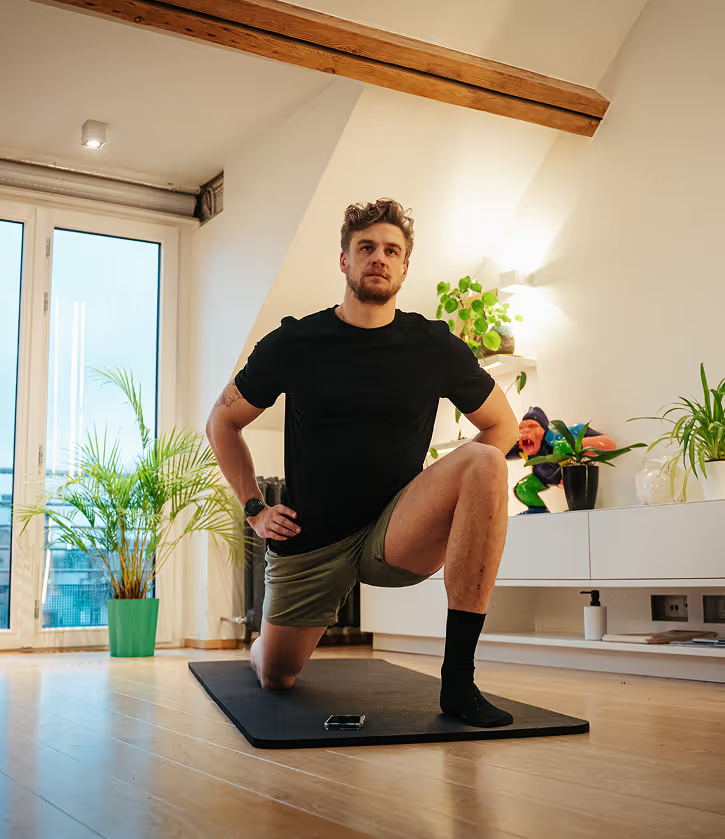
Get the app on iOS or Android and create your account.

GOWOD's assessment evaluates your active range of motion across your entire body, identifying where you are strong and where you have meaningful room to develop.
Tell the app which sports or activities you train for so your routines are built around the specific movement demands you face.
Commit to your personalized daily routines for 30 days. Consistency is the primary driver of adaptation.
Take the mobility test again to get an updated picture of where your body is at.
See exactly how your mobility has changed across your body and use your updated scores to keep progressing.
Yes, and for most people daily mobility training is the recommended approach. Mobility exercises, particularly low-intensity active range work, do not generate the same magnitude of neuromuscular fatigue as strength training, meaning the body can typically handle and benefit from daily practice. Consistency is one of the strongest predictors of improvement, so integrating mobility into a daily routine will produce better results than occasional longer sessions.
Most people notice meaningful improvements within 30 to 60 days of consistent daily practice. The rate of progress depends on your starting point, how regularly you train, and whether your routines are targeted at your specific deficits rather than a generic selection of exercises. GOWOD users report an average improvement of 18% within 60 days of following personalized daily routines.*
*Based on GOWOD user data. Individual results vary.
Mobility exercises are suitable for most people, including beginners, when approached appropriately. The key is to start within your current range of motion and progress gradually, working at end range with control and not forcing positions beyond what you can actively manage. Every exercise in GOWOD's library includes step-by-step instructions and on-screen demonstrations. If you have a pre-existing injury, joint condition, or have been advised to avoid certain movements by a medical professional, follow that guidance and consult your healthcare provider before starting.
The majority of mobility exercises require no equipment. Most movements use your own bodyweight and the demands of gravity and end-range loading to develop joint control. Some exercises incorporate a resistance band or similar, but a comprehensive and effective mobility practice can be built entirely without equipment.
Regular mobility training is associated with reduced injury risk, and this is one of the more consistently supported benefits in applied practice. Joints that can move through a full range under active neuromuscular control are better equipped to manage the demands placed on them during sport and training. Improving active range of motion and motor control around high-risk areas (hips, ankles, shoulders) reduces the likelihood of loading tissues in positions where they lack the capacity to respond.
It is worth noting that this relationship is not absolute and that the mechanisms are multifactorial. Mobility training is one component of a broader approach to injury prevention that includes strength, load management, and recovery.
They serve different purposes and are not directly comparable. Static stretching improves passive tissue extensibility, the range a joint can be moved into when relaxed, through a combination of viscoelastic change and increased stretch tolerance (Weppler & Magnusson, 2010). With consistent practice, these adaptations can be durable.
Mobility training develops active neuromuscular control through range, which is the capacity to produce and manage movement across a joint's full arc under load. This quality is what transfers to sport and training performance.
For most athletes and active individuals, a consistent mobility practice will deliver greater functional benefit than static stretching alone, because it addresses both tissue extensibility and the motor control needed to apply it. That does not make static stretching without value, particularly for recovery contexts or populations where passive extensibility is a limiting factor.
Yes, though the relationship is specific rather than universal. A greater active range of motion allows access to more mechanically optimal joint positions during training and sport, supporting technique, force production, and movement efficiency. Athletes with sufficient hip, ankle, and thoracic mobility can typically achieve better positions in the squat, deadlift, and overhead movements, which supports both safety and performance.
The performance benefit of mobility work depends on whether restricted range of motion is actually a limiting factor for the individual. Where it is, addressing it directly produces meaningful carry-over. Where movement capacity is already adequate for the demands of the sport, additional mobility training shows diminishing returns relative to other training priorities.
There is no single best time, and the research does not identify a clear superiority for morning versus evening practice. The most important factor is consistency. The best time of day is whichever time you can commit to regularly. Morning sessions are a practical way to prepare your body for the demands of the day; evening sessions can support the shift toward recovery. Both are effective when done consistently.
There is meaningful overlap. Yoga incorporates elements of mobility, flexibility, balance, breathwork, and mindfulness within a broader practice framework. The distinction is primarily one of specificity and intent. Mobility training as practiced through GOWOD is targeted at specific joint range of motion deficits and the neuromuscular control needed to address them, with a direct connection to athletic performance and injury reduction. The exercises and progressions are selected based on individual assessment data, not a fixed class format. Yoga can contribute to mobility development, but it is not structured around the same kind of individualized movement assessment.
Mobility work targeting the hips, hamstrings, and thoracic spine can help reduce the loading demands placed on the lumbar spine, and many people find that improving movement quality in these adjacent areas reduces day-to-day lower back discomfort, particularly when that discomfort is related to postural loading or movement restriction rather than structural pathology.
Important: lumbar spine mobility exercises are not appropriate for all presentations of back pain. They carry specific contraindications including, but not limited to, acute disc herniation, spondylolisthesis, spinal stenosis, and hypermobility-related conditions. If you are experiencing significant, persistent, or neurological back pain (including pain that radiates into the leg, or numbness or tingling), stop and seek assessment from a qualified healthcare professional before following any mobility program. The content on this page is not a substitute for clinical advice.
The most effective starting point is a structured mobility assessment that identifies your specific deficits, rather than self-diagnosis based on what feels tight. GOWOD's mobility test evaluates your active range of motion across your whole body and uses that data, alongside the sports you train for, to generate personalized daily routines targeted at what your body actually needs.
Yes. Active range of motion does decline with age, but this decline is not fixed; consistent, targeted mobility work can meaningfully slow it and, in many cases, reverse losses that have accumulated over time. GOWOD's personalized approach means routines are built around your current mobility levels and progress from there, making it appropriate and effective regardless of where you are starting from. If you have age-related joint conditions, osteoporosis, or have been advised to avoid certain movements, consult your healthcare provider before starting.
Take our FREE mobility and flexibility test to identify your strengths and areas for improvement.
In minutes, get a detailed breakdown of each body zone with insights and personalized guidance to progress.
GOWOD blends expert knowledge with smart algorithms to provide you with the perfect mobility routine.
Helping you move, perform and recover better.


to discover your mobility score

tailored to your sports and mobility weaknesses

at the gym, outdoors, or at home

and measure improvements over time