Lower back discomfort is rarely just about the lower back. In many cases, it reflects how movement is distributed across the body. When areas such as the hips or spine are restricted, the lower back is often forced to compensate, taking on more load than it is designed to handle.
Over time, this can lead to stiffness, reduced movement efficiency, and ongoing discomfort.
A structured mobility routine helps address this by restoring movement where it is limited, allowing the lower back to do what it is designed to do: stabilize and transfer force, not absorb excess stress.
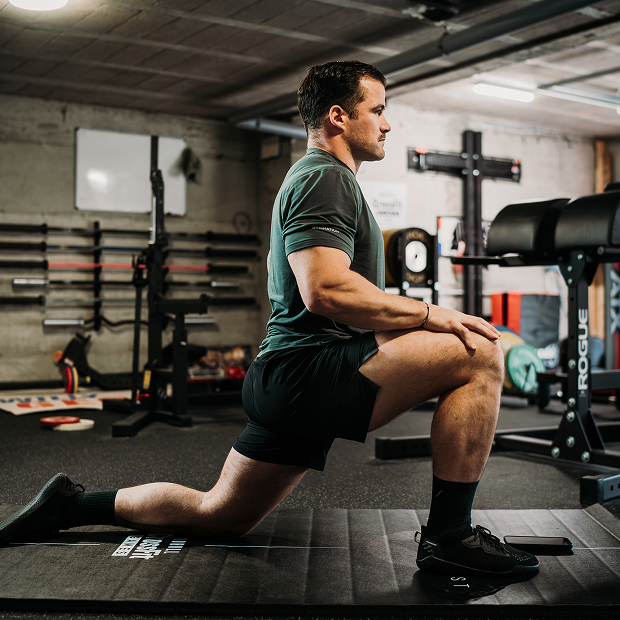
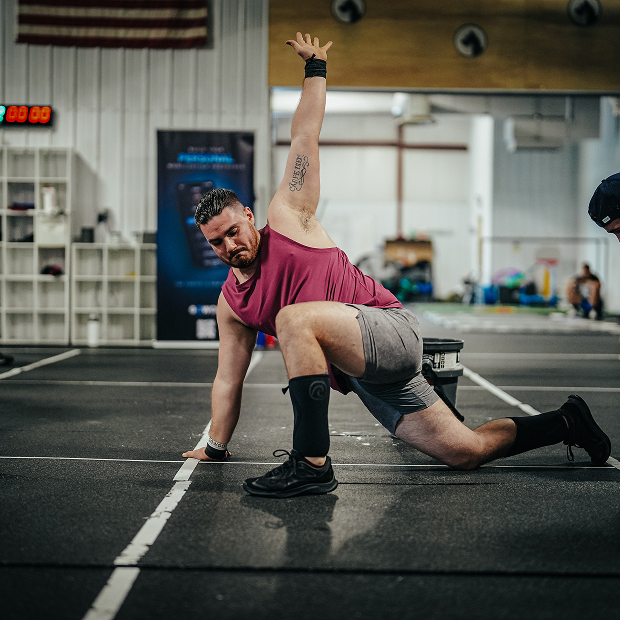
Below, GOWOD has selected five expert-backed mobility exercises designed to support lower back wellness and improve how your body moves as a whole.
This routine is designed to improve how your body manages movement around the lower back, rather than isolating the area itself.
Lower back discomfort is often influenced by restrictions in the hips, spine, and posterior chain. By targeting these areas together, this routine helps redistribute movement more effectively and reduce unnecessary strain.
Take our FREE mobility and flexibility test to identify your strengths and areas for improvement. In minutes, get a detailed breakdown of each body zone with insights and personalized guidance to progress.
Lower back discomfort is frequently a symptom of how movement is distributed across the body, rather than an issue isolated to the lumbar spine.
The lower back is designed to provide stability and transfer force, not to produce large amounts of movement. When surrounding areas such as the hips or thoracic spine become restricted, the lower back often compensates by taking on more movement than it should.
This shift in demand increases mechanical stress and reduces overall movement efficiency. Over time, this can lead to patterns where the lower back is consistently overloaded.
Understanding this relationship is key. Addressing lower back wellness often means improving how the rest of the body contributes to movement.
To improve lower back wellness effectively, it is important to understand how movement should be distributed across the body.
When these areas function well, movement is distributed across the system as intended. The hips generate movement, the spine contributes where it should, and the lower back primarily stabilises and transfers force.
When this balance is lost, the lower back is forced to compensate. Over time, this increased demand can lead to inefficient movement patterns and a higher perception of stiffness or discomfort.
Lower back discomfort is often less about the lower back itself and more about how the rest of the body is contributing to movement.
When joints such as the hips or thoracic spine are restricted, the body does not simply stop moving. Instead, it redistributes that movement to available areas, most commonly the lumbar spine. The issue is that the lower back is not designed to handle large amounts of movement repeatedly, particularly under load.
This is where mobility work becomes relevant.
By restoring movement in the areas that are designed to move, mobility helps rebalance how load and motion are shared across the body. This does not remove stress entirely, but it allows it to be managed more efficiently.
As this improves, movement tends to feel less forced and more coordinated. Rather than one area doing too much, the system works together more effectively.
Improving lower back wellness is not about stretching the lower back more aggressively. In many cases, that approach reinforces the problem rather than solving it.
A more effective strategy is to examine how movement is distributed and identify where contributions are missing.
For most people, this means restoring movement in the hips and thoracic spine, reducing unnecessary tension in the posterior chain, and improving control within those ranges. Just as importantly, it means reintroducing movement in a way that the body can actually use, rather than simply accessing passive range.
This is where intent matters.
Moving slowly, maintaining control, and working within manageable ranges allows the body to rebuild coordination, not just flexibility. Over time, this leads to more efficient movement patterns in which the lower back no longer needs to compensate.
The goal is not to increase range as quickly as possible, but to improve how movement is shared across the body so that load is managed more effectively.
Why does my lower back feel tight even when I stretch it?
Lower back tightness is often a response to limited movement elsewhere, particularly in the hips or spine. Stretching the lower back alone may not address the underlying cause.
Can mobility help reduce lower back discomfort?
Improving mobility in key areas may help reduce compensatory stress on the lower back, supporting better movement and reducing discomfort over time.
Should I avoid movement if my lower back feels stiff?
In many cases, gentle, controlled movement can be beneficial. Avoiding movement completely may increase stiffness. However, intensity should match how your body feels.
How long should a mobility routine take?
Short, targeted sessions of 5 to 10 minutes can be effective when performed consistently.
Is lower back discomfort always caused by poor mobility?
Not always. Mobility is one factor among many, including load, recovery, and activity levels. However, it is often an area that can be improved.
Supporting your lower back is not about focusing on one area; it’s about improving how your whole body moves. GOWOD helps you identify where movement is restricted and gives you targeted routines to reduce unnecessary strain on your lower back.
Download GOWOD now and start moving with more balance, control, and confidence.
You’re only 3 steps away from unlocking your full potential.