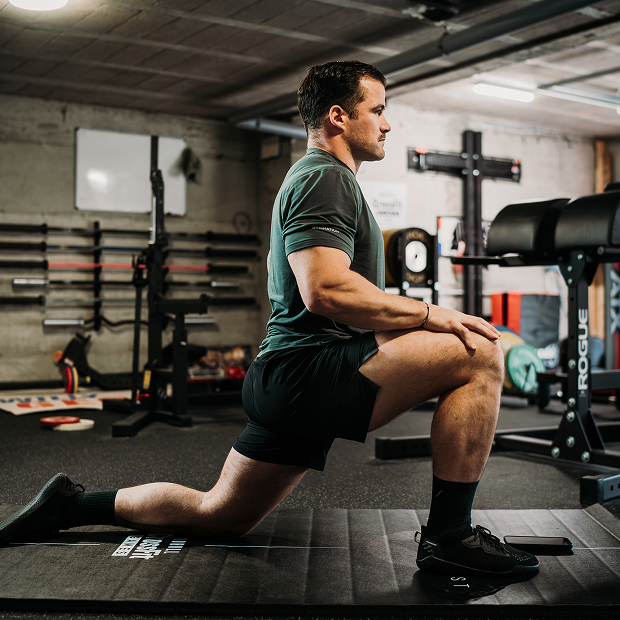
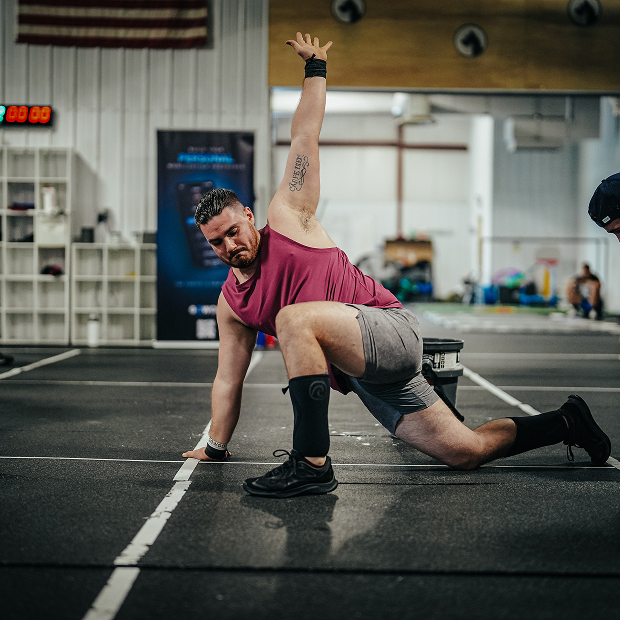
Tennis elbow is a common overuse condition affecting the tendons on the outside of the forearm. These stretches can help reduce discomfort, restore mobility, and support healthy movement patterns during recovery and training. It can be caused by two factors: overuse & compensations.
The best stretches for tennis elbow allow the entire upper limb to move freely, helping to prevent compensations at the elbow.
Top 4 stretches to reduce tennis elbow discomfort
Watch the overview video to see how these four stretches and mobility drills work together to reduce stiffness and improve recovery around the elbow. The video demonstrates each movement with guidance on form and progression.
Forearms circle stretch: stretch both wrist flexors and extensors while mobilizing the wrists globally
Manual extensor forearm stretch: stretch the wrist extensor muscles which is where the most common pain is
Hyperice extensor forearm: uses percussion to release muscle tightness
Shoulders global: improves shoulder mobility to prevent compensations at the elbow
Exercise 1/4: forearms circle stretch
Focus
Details
Timing
Repeat for 1 minute
Stimulus
Stretch in the hands and arms, tension in the wrists
Instructions
• Kneeling, palms flat on the ground
• Fingers pointing toward yourself, arms extended
• Rotation of the hands in all directions, exploring different movement angles
Targeted Areas
Flexors
Equipment Required
None
Exercise 2/4: manual extensor forearm stretch
Focus
Details
Timing
Repeat for 1 minute
Stimulus
A stretch in the wrist
Instructions
• Roll your hand facing down
• Extend your arm
• Use your opposite hand to hold all your fingers except your thumb
Targeted Areas
Extensors
Equipment Required
None
Exercise 3/4: hyperice extensor forearm
Focus
Details
Timing
Repeat for 1 minute
Stimulus
Massage the wrist extensors
Instructions
• Percussion on the outside of the forearm
• Work from the elbow down to the wrist
• Use pressure that allows you to stay relaxed
Targeted Areas
Wrist Extensor
Equipment Required
Hyperice Massager
Exercise 4/4: shoulders global
Focus
Details
Timing
Repeat for 1 minute
Stimulus
Tension in the upper back and shoulders
Instructions
• Standing, arms extended in front of you
• Phase 1: Pull elbows back to shoulder height
• Phase 2: Extend arms overhead
Targeted Areas
Shoulders, Rotator
Equipment Required
None
Understanding tennis elbow and mobility recovery
Tennis elbow occurs when the tendons that attach the forearm muscles to the outside of the elbow become overloaded or irritated, often due to repetitive wrist extension or gripping activities. It’s not limited to tennis players—anyone who performs repetitive upper limb motions (typing, lifting, racquet sports, or gym training) can experience symptoms.
Key anatomy
Structure
Function
Common Issue in Tennis Elbow
Wrist Extensors (especially the Extensor Carpi Radialis Brevis)
Extend and stabilise the wrist during gripping or lifting
Tendon overload from repetitive strain
Lateral Epicondyle
Bone attachment point for the forearm extensor tendons
Microtears and inflammation causing pain
Forearm Fascia
Connective tissue linking muscles and tendons
Tightness restricting glide and mobility
Shoulder Complex
Stabilises arm movement and positioning
Weakness or restriction can shift the load to the elbow
How stretching helps tennis elbow recovery
Targeted stretching can:
Improve blood flow and tissue elasticity in the affected muscles.
Reduce compensatory tension in surrounding joints, such as the shoulder and wrist.
Support gradual load tolerance and range of motion restoration.
Help prevent recurrence when integrated with strength and mobility work.
Stretching works best with progressive strengthening and load management rather than as a standalone treatment. For example, gentle eccentric loading of the wrist extensors is often used alongside mobility routines to rebuild tendon resilience.
Common reasons for ongoing discomfort
Even with rest, some people continue to experience symptoms because:
Daily activities still overload the forearm tendons (e.g. computer use or gripping weights).
Shoulder stiffness limits arm movement, forcing the elbow to compensate.
Recovery strategies focus only on pain relief, not mobility or function.
Tissue tension or fascial restriction in the forearm remains unresolved.
Integrating these stretches into your daily routine can help address these factors and support long-term recovery.
FAQs
What causes tennis elbow? Tennis elbow is commonly caused by repetitive strain to the wrist extensor tendons, particularly from gripping or lifting movements. It can also develop from poor shoulder mobility or technique during sport or training.
Can stretching cure tennis elbow? Stretching alone doesn’t cure tendon injuries, but it can support recovery by improving flexibility, circulation, and movement efficiency when combined with load management and strengthening.
How often should I stretch for tennis elbow? Gentle daily stretching is recommended. Focus on controlled, pain-free movements and gradually increase intensity as symptoms improve.
Should I still train with tennis elbow? Light training that doesn’t aggravate symptoms is usually fine, but avoid repetitive or heavy gripping until pain subsides. Consult a physical therapist if pain persists.
How long does it take to recover from tennis elbow? Mild cases can improve within a few weeks with consistent care, while chronic cases may take several months depending on severity and activity level.
UNLOCK YOUR BODY
Start your journey to better mobility
You’re only 3 steps away from unlocking your full potential.
Download the GOWOD App
Take your assessment
Improve your mobility one stretch at a time with GOWOD Premium