The best post-run stretches target the primary muscles used during your effort. During a run, all the structures in your lower body work hard and will need proper recovery, from the soles of your feet and calves to your quadriceps, hamstrings, and hip flexors.
After an intense run, science suggests avoiding aggressive, prolonged passive stretching on the heavily used muscles. Instead, focus on mobility work and gentle massage to promote better recovery and reduce soreness.
These five exercises will help your body recover efficiently so you can start training again the next day.
The top 5 stretches to do after your run
This short overview video demonstrates the five best stretches after your run. Each movement targets areas commonly affected by running—helping you release tension, improve recovery, and restore muscle and joint balance.
Quad roll: deep tissue massage for tired quads.
Calf roll: loosens sore calves and supports ankle mobility.
Cobra to prayer: opens the chest and spine for better upper-body recovery.
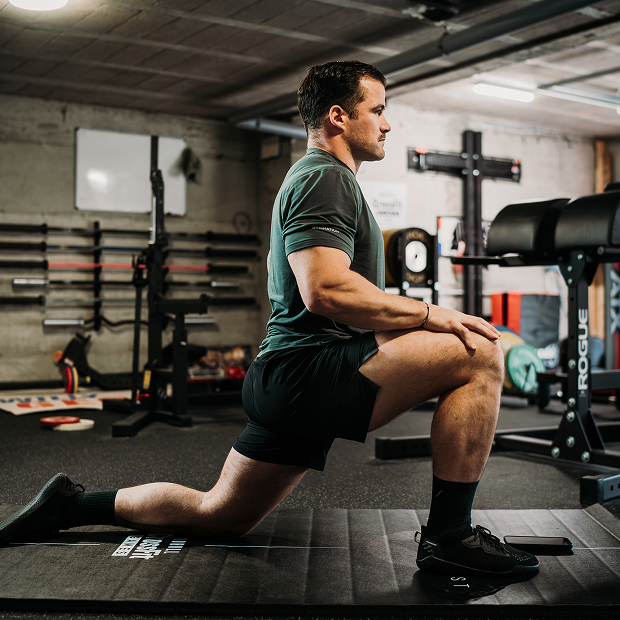
The knight to hamstring stretch: relieves tight hip flexors and hamstrings.
Calf stretch in downward-facing dog: engages the posterior chain for balanced flexibility with an emphasis on the calves.
Exercise 1/5: quad roll
Focus
Details
Timing
Repeat for 1 minute
Stimulus
The pressure should allow you to stay relaxed
Instructions
• Lay with your thigh on the roller with your foot relaxed
• Use your hands to support your body
• Maintain a rhythmic rate of 50 movements per minute
Targeted Areas
Quad
Equipment Required
Foam Roller
Exercise 2/5: calf roll
Focus
Details
Timing
Repeat for 1 minute per side
Advice
The pressure should allow you to remain relaxed
Instructions
• Massage from heel to knee progressively
• Lift your butt off the ground
• Maintain a rhythmic rate of 50 movements per minute
Targeted Areas
Calves, Ankles
Equipment Required
Foam Roller
Exercise 3/5: cobra to prayer
Focus
Details
Timing
Repeat for 1 minute
Stimulus
Stretch in the abdominals, under the arms, and in the back
Instructions
• Phase 1: Lying down, palms on the ground, arms extended to lift the torso while keeping hips on the ground
• Phase 2: Hips pushed back to rest on the heels, arms extended forward, palms flat on the ground
• Slow and controlled transitions between the two positions
Tension in the hip of the back leg and a stretch in the hamstring of the front thigh
Instructions
• Phase 1: Wide lunge with your stomach pulled in and your torso straight
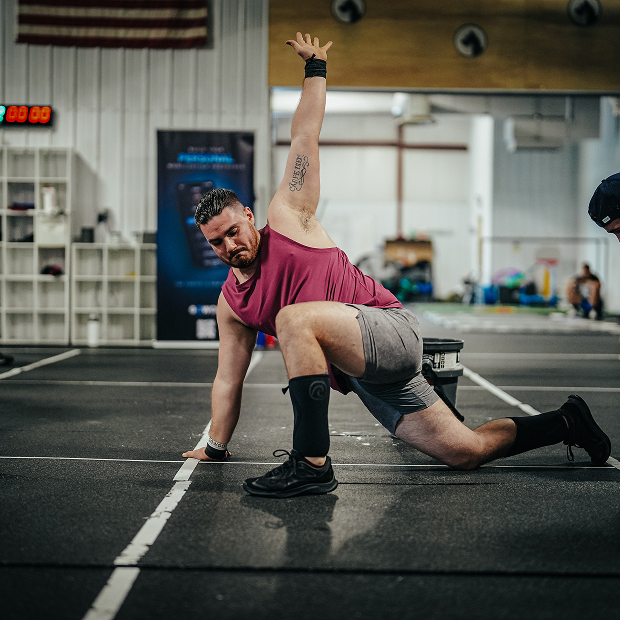
• Phase 2: Keep your front leg straight and lean your torso towards your front foot
• Maintain a slow and controlled rhythm while keeping your back flat
Targeted Areas
Hamstrings, Hips
Equipment Required
None
Exercise 5/5: calf stretch in downward-facing dog
Focus
Details
Timing
Repeat for 1 minute
Stimulus
Calf and hamstring stretch
Instructions
• Hands and feet on the ground, arms extended, and hips raised, forming an inverted V
• Alternate knee flexion, with the heel touching the ground during the flexion of the opposite knee
• Perform slow and controlled movements, keeping hips elevated and pelvis aligned with the shoulders
Targeted Areas
Hamstrings, Calves, Ankles
Equipment Required
None
Why post-run stretching matters
Running places significant demand on the quadriceps, hamstrings, calves, and hip flexors. Without regular mobility work, these areas can tighten over time, affecting stride efficiency and increasing the risk of discomfort or imbalance. Post runs massages and stretches help supporting recovery and long-term performance while preventing injuries.
Common post-run tightness areas
Muscle Group
Common Feeling
Cause
Stretch Focus
Quadriceps
Heavy, tight
Eccentric loading during downhill running
Foam rolling and gentle lengthening
Calves
Cramping, soreness
Repetitive push-off
Deep calf rolling and downward-facing dog
Hamstrings
Pulling sensation
Overstride or fatigue
Hamstring stretch from the kneeling position
Hip Flexors
Stiffness or lower back tension
Prolonged hip flexion while running
The knight stretch and mobility drills
Upper Back
Mild ache or rounded posture
Forward arm swing and fatigue
Cobra to prayer to restore extension
How stretching supports running performance
Stretching after a run doesn’t just relieve tightness—it contributes to better running efficiency and injury resilience over time. By maintaining an optimal range of motion in your hips, knees, and ankles, you allow for smoother stride cycles and reduced compensatory movement patterns. It also supports faster recovery between runs, particularly when combined with mobility routines like those in the GOWOD app.
Recovery beyond stretching
Stretching is just one part of a complete recovery plan. Incorporating rest days, balanced nutrition, and adequate sleep all support muscle repair. Tools like foam rollers or mobility apps like GOWOD can help personalise your stretching routine based on your unique imbalances, ensuring you target the right areas for long-term progress.
{{strava-cta="/components"}}
FAQs
How long should I stretch after a run? Spend around 10–15 minutes stretching after a run, focusing on the areas that feel tightest. Quality matters more than duration.
Should I stretch before or after running? Dynamic movements are best before running, while static or deep stretches are better suited 2 or 3 hours after your session.
Can stretching prevent injury? While stretching alone doesn’t guarantee injury prevention, it can help reduce tightness, improve flexibility, and support more efficient movement patterns that lower risk over time.
Is foam rolling as effective as stretching? Foam rolling and stretching serve different purposes. Rolling helps release soft tissue tension, while stretching improves length and range of motion. Combining both is ideal.
How often should I do post-run stretches? You can perform post-run stretches after every run, especially following longer or more intense sessions. Consistency supports lasting flexibility improvements.
UNLOCK YOUR BODY
Start your journey to better mobility
You’re only 3 steps away from unlocking your full potential.
Download the GOWOD App
Take your assessment
Improve your mobility one stretch at a time with GOWOD Premium