Running places repetitive stress on the feet, ankles, knees, hips, and spine. Over time, how well a runner recovers determines not only performance, but also whether they can train consistently without interruption.
Recovery and injury prevention are not separate from training. They are the systems that allow training to work. This guide covers the full picture of running recovery and injury prevention, from training structure and lifestyle factors to strength, footwear, and mobility.
Sometimes, there is very little you can do to prevent an unexpected trip, fall, or acute incident. However, the majority of running-related injuries develop gradually, and there are many factors you can actively influence to support recovery and reduce injury risk over time.
Rather than focusing on what you cannot control, effective injury prevention comes from consistently managing the elements that shape how your body tolerates running, such as:
Together, these elements form the foundation of long-term running health and performance.
Having the right coaching and an appropriate training plan is one of the most overlooked factors in running recovery and injury prevention.
Many injuries occur not because a runner lacks motivation or discipline, but because their training structure does not match their current capacity, experience level, or life context.
Good coaching and well-designed plans help runners:
Generic plans can work for some runners, but they often fail to account for individual history, biomechanics, recovery capacity, or external stressors. Over time, this mismatch increases injury risk.
Structured coaching platforms like Campus Coach help runners view training as a long-term process rather than a short-term challenge. Campus’ methodology has been validated across more than 500,000 runners and is shown to reduce injury risk by up to 3.7 times compared to less structured training approaches. By adapting plans based on performance, recovery, and consistency, runners are more likely to stay healthy while still progressing.
Training load management remains one of the most effective injury prevention strategies when supported by intelligent planning rather than guesswork.
{{strava-cta="/components"}}
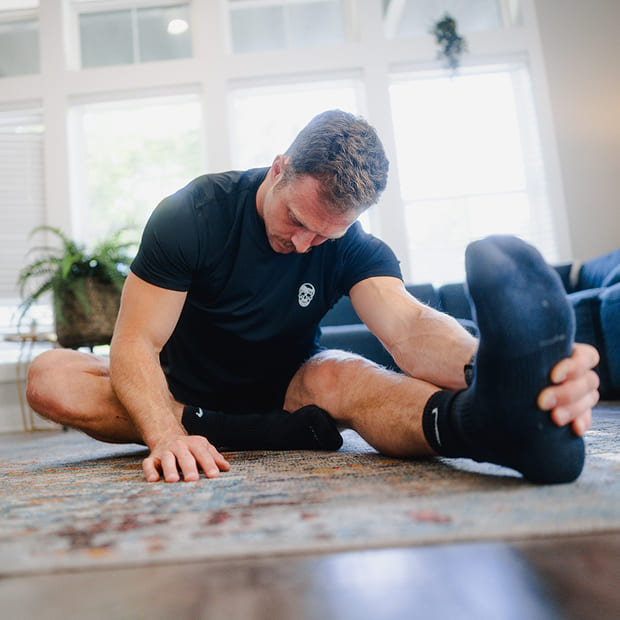
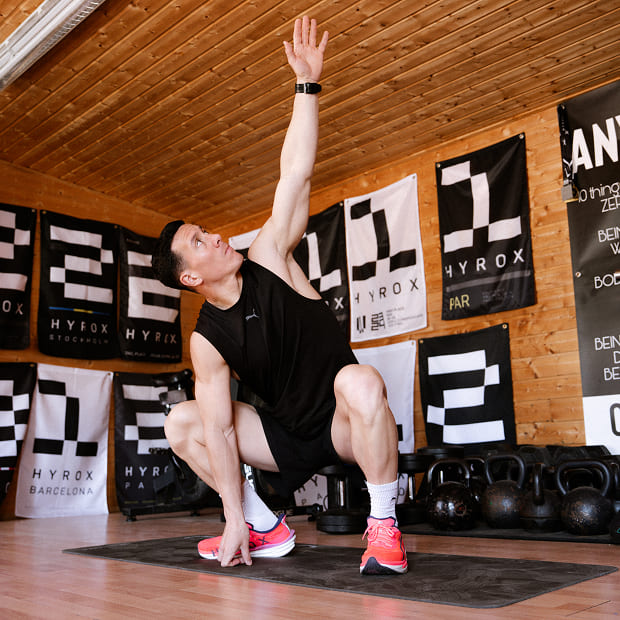
Mobility is the ability to actively access and control joint range of motion. In running, this determines whether the body can move efficiently through each stride without excessive compensation.
Restricted mobility does not stop running. Instead, it changes where load goes.
For example:
Mobility work supports recovery by restoring movement options after repetitive loading and supports injury prevention by reducing compensatory patterns. Runners use apps such as GOWOD to reduce their risk of injury and recover faster after every session, while receiving personalized protocols that adapt to their strengths and weaknesses.
Running mechanics describe how a runner moves through each stride, including posture, foot strike, cadence, and how forces are absorbed and redirected through the body.
Inefficient mechanics do not automatically cause injury. However, over time, they can increase stress on specific tissues, particularly when combined with high training loads, fatigue, or limited mobility.
Many coaching approaches focus on mechanics that aim to reduce excessive braking forces, encourage landing closer to the body’s centre of mass, and promote a quicker, lighter stride. When applied progressively, these principles are often associated with improved efficiency and reduced unnecessary impact.
For example:
This is why mechanics work is most effective when supported by mobility training, progressive strength work, and sensible load management.
Sleep is one of the most powerful recovery tools available to runners. It is during sleep that many of the hormonal and cellular processes responsible for tissue repair and adaptation occur.
Inadequate or inconsistent sleep may:
Beyond sleep duration, how runners prepare for sleep also matters. A gentle stretching routine before bed can help the body and brain transition into rest mode, making it easier to fall asleep and improving overall sleep quality.
By releasing muscle tension accumulated throughout the day and gradually slowing breathing and heart rate, stretching sends a clear signal to the nervous system that it is time to relax. This physical downregulation can also calm mental overactivity, which is a common barrier to falling asleep, particularly during heavy training blocks.
With the GOWOD app, pre-bed mobility routines are specifically designed to support this process. These sessions help runners unwind more efficiently, improve sleep depth, and support better overnight recovery, which in turn improves readiness for training the following day.
Nutrition supports recovery by providing the raw materials needed for repair and adaptation.
Key considerations for runners include:
Under-fueling, even unintentionally, can impair recovery and increase injury risk, particularly stress fractures and persistent soft-tissue injuries.
Running shoes influence how forces are distributed through the body, but they do not prevent injuries on their own.
Important factors include:
Rotating between different shoe models may help expose tissues to slightly varied loading patterns, which can support long-term resilience. However, changes in footwear also place new demands on joints, tendons, and soft tissues.
This is where mobility work becomes particularly important. Maintaining adequate ankle, hip, and foot mobility helps the body adapt more effectively to footwear changes by allowing joints and tissues to absorb and redistribute forces more efficiently.
Many runners use additional tools to support recovery, many of which feature in mobility exercises.
These tools work best when supporting, not replacing, active recovery strategies.
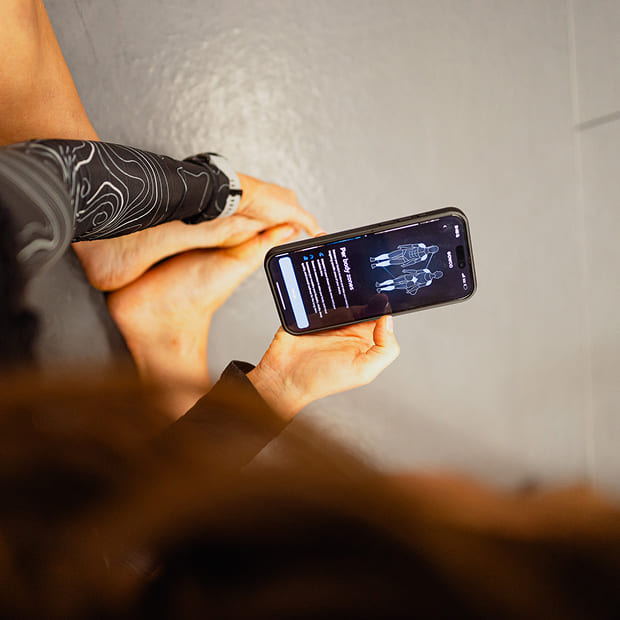
Take our FREE mobility and flexibility test to identify your strengths and areas for improvement. In minutes, get a detailed breakdown of each body zone with insights and personalized guidance to progress.
Most running injuries are overuse injuries. They develop gradually when the cumulative load of running exceeds what tissues can currently tolerate.
This imbalance rarely comes from a single cause. It usually emerges when multiple factors interact, particularly when movement limitations change how load is distributed through the body.
Common contributing factors include:
When mobility and soft tissue work are neglected, the body often loses access to efficient movement ranges. In running, this can shift stress toward the knees, Achilles tendon, plantar fascia, hamstrings, or lower back as those areas compensate for joints that are no longer moving well.
This pattern is reflected in how runners search for information about injuries. High search interest around issues such as knee, hip, ankle, back, foot, shin, and lower leg pain suggests these problems are widespread among runners rather than isolated cases.
Data from Google Keyword Planner, based on combined search data from the US, UK, and France between January 2025 and December 2025.
Certain injuries appear frequently in runners not because running is harmful, but because repetitive loading exposes the weakest links in the system.
Understanding common injury patterns can help runners recognise early warning signs and adjust training before symptoms become limiting.
These injuries rarely appear without warning. Changes in stiffness, soreness patterns, or performance often precede symptoms.
Some muscle soreness is a normal response to training, particularly when increasing volume or intensity. This discomfort typically improves with movement and resolves within a few days.
Pain that may signal injury often behaves differently:
Not all runners respond to training stress in the same way. Genetics and individual anatomy can influence how tissues tolerate load and which injuries a runner may be more predisposed to.
Factors that may vary between individuals include:
These factors do not determine whether someone can or cannot run, but they can influence where stress tends to accumulate and how quickly tissues adapt. For example, some runners may be more prone to Achilles or calf issues, while others experience recurring knee or hip symptoms under similar training loads.
Importantly, genetic predisposition does not mean injuries are inevitable. It highlights the need for individualised training, appropriate progression, and recovery strategies that reflect how a runner responds over time.
Well-structured coaching and consistent monitoring help identify these patterns early, allowing training load, strength work, and mobility focus to be adjusted accordingly.
Most running-related discomfort improves with appropriate load adjustment and recovery. However, pain that persists or worsens should not be ignored.
Runners may benefit from further evaluation when:
Addressing issues early often shortens recovery time and prevents more significant interruptions to training.
Running recovery and injury prevention are not about avoiding hard training. They are about supporting the body so hard training can be sustained.
Runners who manage sleep, nutrition, footwear, training load, strength, and mobility together tend to train more consistently, recover faster, and experience fewer interruptions due to injury.
By combining intelligent coaching through Campus Coach with structured, sport-specific mobility from GOWOD, runners can build resilience that supports performance across seasons, not just individual races.
You’re only 3 steps away from unlocking your full potential.