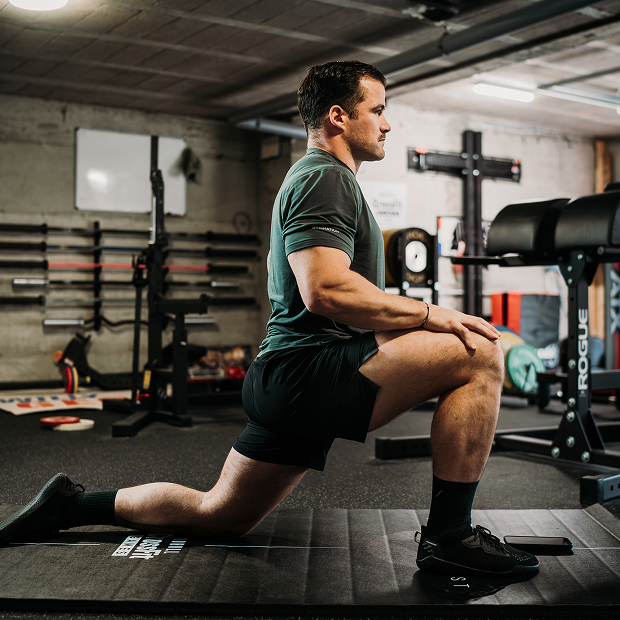
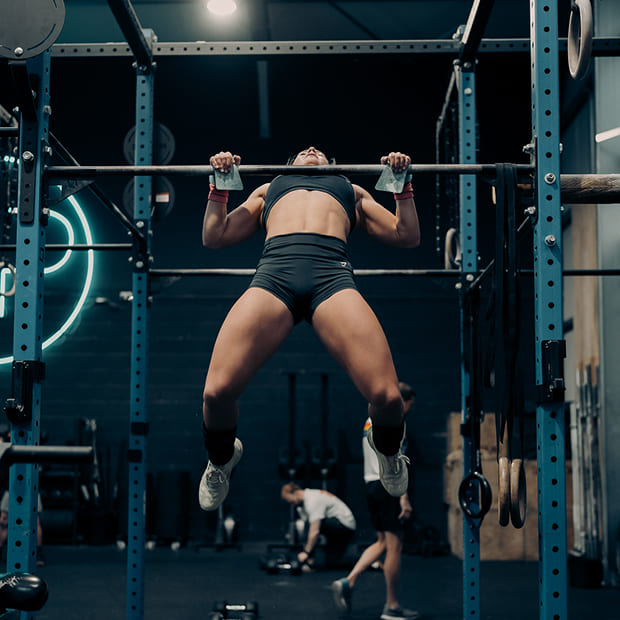
Tight or restricted thighs are a common issue for athletes and active people, whether you run, lift, climb, cycle, or train in the gym. The muscles of the thigh play a central role in hip and knee movement, force transfer, and overall lower-body efficiency. When mobility is limited, it can affect performance, increase fatigue, and place extra strain on surrounding joints.
This guide breaks down the best 5 thigh stretches selected by GOWOD’s mobility specialists. Each movement targets a specific part of the thigh, helping support better movement quality, smoother training sessions, and more comfortable recovery. The included videos provide expert-backed demonstrations so you can apply each stretch with confidence.
Whether after a long car ride, a tough workout, or a long night, it’s common to feel the need to stretch your thighs. The thighs are made up of 3 large, powerful muscle groups that create this sensation: the hamstrings, quadriceps, and adductors.
To best release all of these muscles, here are the top 5 best thigh stretches:
Take our FREE mobility and flexibility test to identify your strengths and areas for improvement. In minutes, get a detailed breakdown of each body zone with insights and personalized guidance to progress.
The thigh muscles sit between the pelvis and the knee, meaning they influence both hip and knee mechanics simultaneously. Limited mobility in this region often manifests as reduced stride length, altered squat depth, or compensations in the lower back. For many athletes, improving thigh flexibility supports smoother movement patterns and more efficient force production.
Good thigh mobility is also closely linked to comfort during training volume. When tissues move more freely, they tend to tolerate load and repetition better, which can support consistency across weeks of training.
Understanding which muscles you are stretching helps explain why a balanced approach matters.
Addressing all of these areas helps avoid over-relying on one muscle group to compensate for another.
Thigh tightness rarely comes from one single cause. It is often the result of how training load, movement patterns, and recovery interact over time.
Common contributors include high training volume, repeated sprinting or lifting, long periods of sitting, and limited exposure to full ranges of motion. In some cases, perceived tightness is also related to poor load tolerance rather than short muscle length, which is why combining mobility with strength work is often effective.
These thigh stretches can fit into different parts of your training week depending on your goal.
Before training, they can be used dynamically to prepare the tissues for movement. After training, they are often used to downregulate tension and support recovery. On rest days, they work well as part of a longer mobility session focused on restoring range and comfort.
GOWOD’s app-based routines adapt these principles to your individual needs, helping you choose the right intensity and timing.
How often should I stretch my thighs?
Most people benefit from light thigh mobility work three to five times per week, depending on training load and how their body responds.
Can thigh stretching help knee discomfort?
Improving quadriceps, hamstring, and adductor mobility often supports better knee mechanics and can help reduce unnecessary strain around the joint.
Is stretching enough to fix tight thighs?
Stretching helps, but long-term improvement usually comes from combining mobility with strength and gradually increasing load
Should thigh stretches be painful?
No. You should feel tension or discomfort, but sharp or painful sensations are not expected and should be avoided.
Are these stretches suitable for beginners?
Yes. These movements are commonly used across experience levels, especially when guided by the GOWOD videos.
You’re only 3 steps away from unlocking your full potential.