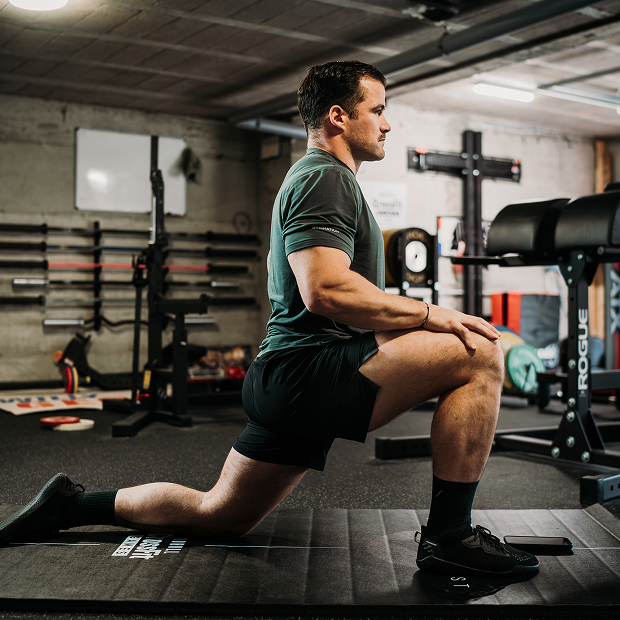
Sleep quality is influenced by more than just your environment or routine. Physical tension, joint stiffness, and an overactive nervous system can all impact your ability to fall asleep and recover effectively.
If your body remains tense at the end of the day, it may be harder to fully relax. This is where mobility work can play a valuable role.
A well-structured mobility routine before bed can help reduce muscular tension, improve breathing mechanics, and support a shift towards a more relaxed physiological state.
Below, GOWOD has selected four expert-backed mobility exercises designed to help you unwind physically and prepare your body for sleep.
This short routine is designed to help transition your body from an active state to a more relaxed one. By targeting areas that commonly hold tension, such as the neck, shoulders, and spine, these movements support both physical and nervous system recovery.
Sleep is not just a passive process. It is a neurological shift from a high-alert, sympathetic state to a parasympathetic, recovery-driven state. Your ability to make that transition is heavily influenced by your body's physical state.
If your body remains in a state of tension, your nervous system receives a constant signal that you are not ready to fully relax.
From a mobility perspective, tension is not just “tight muscles.” It reflects a combination of joint restriction, poor breathing mechanics, and sustained low-level muscular activation.
The most common contributors include:
This is why simply “lying down” is not always enough. If the body has not transitioned out of this state, sleep quality may be compromised.
Mobility work provides a structured way to shift this state by combining controlled movement, breathing, and a gradual reduction in muscular tension.
Take our FREE mobility and flexibility test to identify your strengths and areas for improvement. In minutes, get a detailed breakdown of each body zone with insights and personalized guidance to progress.
Before sleep, the goal is not to increase performance, but to reduce unnecessary tension and restore efficient movement patterns that support relaxation.
From a GOWOD perspective, these areas are prioritised because they directly influence how easily your body can shift into a recovery state. Improving mobility here is less about flexibility and more about restoring efficient, low-effort movement and breathing.
Mobility plays a direct role in recovery by influencing both mechanical and neurological factors.
When performed with low intensity and control, mobility work can act as a bridge between activity and rest.
Key recovery benefits include:
This combination creates the conditions required for high-quality sleep. Not just falling asleep, but achieving deeper, more restorative stages of sleep where recovery actually occurs.
For sleep-focused mobility, consistency and intent matter more than duration or intensity.
Your goal is to create a repeatable signal to your body that the day is ending and recovery is beginning.
An effective structure includes:
Over time, this routine becomes more than just movement. It becomes a physiological cue that prepares your body for sleep.
From a GOWOD standpoint, the objective is simple. Restore movement where it is limited, reduce tension where it accumulates, and create the conditions your body needs to recover efficiently.
There is growing interest in how physical routines before bed can influence sleep quality, particularly when it comes to stretching and mobility work.
From a physiological perspective, gentle stretching before bed may help reduce muscular tension, improve circulation, and support a shift towards a more relaxed nervous system state. These factors are all linked to how easily you fall asleep and how well you recover overnight.
However, not all stretching is equal. High-intensity or aggressive stretching may have the opposite effect by increasing alertness. The most effective approach is low-intensity, controlled mobility work combined with steady breathing, similar to the routine outlined in this guide.
Research suggests that consistent pre-sleep routines, including light stretching, may contribute to improved sleep onset and overall sleep quality when performed regularly.
If you want to explore this in more detail, including the science behind it and how to structure your routine, read our full guide Does Stretching Before Bed Help You Sleep?
Can mobility exercises actually improve sleep quality?
Mobility work may support better sleep by influencing both physical tension and nervous system state. When the body carries residual tension, particularly in the neck, shoulders, and spine, it can remain in a low-level state of activation.
Targeted, low-intensity mobility combined with controlled breathing may help reduce this tension and promote a shift towards a parasympathetic state, which is more conducive to falling asleep and achieving deeper, more restorative sleep.
Should mobility before bed be static or dynamic?
Both approaches can be effective, but the key factor is how the movement is performed.
Before sleep, mobility should be slow, controlled, and low intensity. Dynamic movements are still appropriate, provided they are performed with control and not used to elevate heart rate or stimulate the nervous system. The goal is to reduce activation, not increase it. This is why GOWOD recovery routines often combine gentle movement with breathing rather than purely passive stretching.
How long does it take to see an impact on sleep?
Some people may notice immediate improvements in how relaxed they feel before bed, particularly if they carry a lot of daily tension.
However, meaningful changes in sleep quality typically come from consistency. Regular mobility work may gradually improve movement efficiency, reduce background tension, and reinforce a more effective wind-down routine. Over time, this can lead to more consistent, higher-quality sleep.
Can this replace a full recovery routine?
This type of routine is designed to complement, not replace, a broader recovery strategy.
Mobility before bed addresses key factors such as tension and breathing, but overall recovery also depends on training load, sleep environment, nutrition, and stress management. That said, for many people, this is one of the most practical and time-efficient ways to improve recovery on a daily basis.
What is the biggest mistake people make before sleep?
One of the most common mistakes is staying in a high-stimulation state right up until bedtime.
This can include prolonged screen use, lack of movement after long periods of sitting, or intense late-evening training without a proper wind-down. From a mobility perspective, going straight from inactivity or high tension into sleep without any transition makes it harder for the body to shift into a recovery state.
Introducing a short, structured mobility routine helps bridge that gap and signals to the body that it is time to relax.
If your body stays tense, your sleep will often reflect it. A short routine can help, but a personalized approach will take your recovery further.
GOWOD analyses your mobility, identifies where you hold the most tension, and builds routines tailored to your body and your daily demands. Whether your goal is to unwind more effectively, improve recovery, or move better overall, having a structured plan makes the difference.
Download GOWOD now and start improving the way you recover, sleep, and move.
You’re only 3 steps away from unlocking your full potential.